Search results for tag #Leadership
![[?]](https://media.hachyderm.io/accounts/avatars/110/372/528/571/829/161/original/fff0f95f5580438f.jpg)
Organisational Dysfunction of the Day
Career paths
Context: A good developer joins the organisation. They are technically excellent, collaborative, and genuinely invested in the work. Two years in, they get a nudge from their manager: it might be time to think about a senior role, maybe a tech lead position. The path is clear. Individual contributor, senior IC, tech lead, engineering manager, director. Each step means more responsibility, more pay, and more status. Each step also means moving further from the work they loved and closer to the coordination and control functions that DP1 requires. Many take the path not because they want to manage people but because it is the only path available. Others refuse it and hit a ceiling. A few leave for organisations that offer something different.
OST explains: The bureaucratic career ladder is one of the primary mechanisms that keeps DP1 in place psychologically. It converts the organisation's need for coordination and control into an individual incentive structure: accept constraints on your autonomy today in exchange for advancement tomorrow. Over time, this produces a management layer of people who were excellent at the work below but whose promotion removed them from it, and a technical workforce that either climbs reluctantly or opts out and stagnates. In DP2, the ladder largely disappears because management functions are distributed into the self-managing groups. This is liberating but genuinely disorienting for people whose professional identity is structured around it, and organisations that move toward self-management without addressing career expectations tend to lose precisely those most invested in the old structure. The transition requires a different answer to "where do I go from here?" — one built around depth of skill and breadth of contribution rather than ascent through a hierarchy DP2 does not have.
Organisational Dysfunction of the Day
Budgets are bureaucracy
Context: The organisation has restructured into product teams. They have autonomy over their work, their roadmap, and how they collaborate. Then comes budget season. Each team is asked to forecast its needs twelve to eighteen months ahead, justify them against business cases, and compete with other teams for a finite pool of money. The forecasts get approved or revised by people who are not part of the teams. Mid-year, priorities shift. Some budgets get cut. Others get reallocated through a process that the teams do not control. The autonomy on paper meets the finance department in practice. Everyone knows which one wins. The team owns the product, but not the resources that decide what the product can actually become.
OST explains: Whoever controls the allocation of money controls the structure, regardless of what the org chart says. A DP2 design with DP1 budgeting is not a DP2 organisation. It is a DP1 organisation with self-managing teams operating in the spaces that money has decided in advance. DP2 requires that groups control the resources for their own work. That is what it means to own the whole task. What OST does not do is prescribe how this should look in a given organisation, because OST is a conceptual framework, not a recipe. A preset model handed down would itself be a DP1 move — exactly the kind of imposed design the theory argues against. The methods OST provides, Search Conference and Participative Design Workshop, exist to help an organisation work out its own answer, not to deliver one. Beyond Budgeting, developed in part by Norwegian practitioner Bjarte Bogsnes, is one practical attempt to separate the decisions about goals, resources, and evaluation that the annual budget collapses into one. It moves in the right direction. But the answer to how money should flow in a self-managing organisation is one that each organisation must design for itself, using its own people. The structure of money is the structure of the organisation. Both have to be designed together, by the people who will live with the result.
![[?]](https://files.mastodon.social/accounts/avatars/110/663/603/233/434/084/original/1e1b3ab20dfd710e.png)
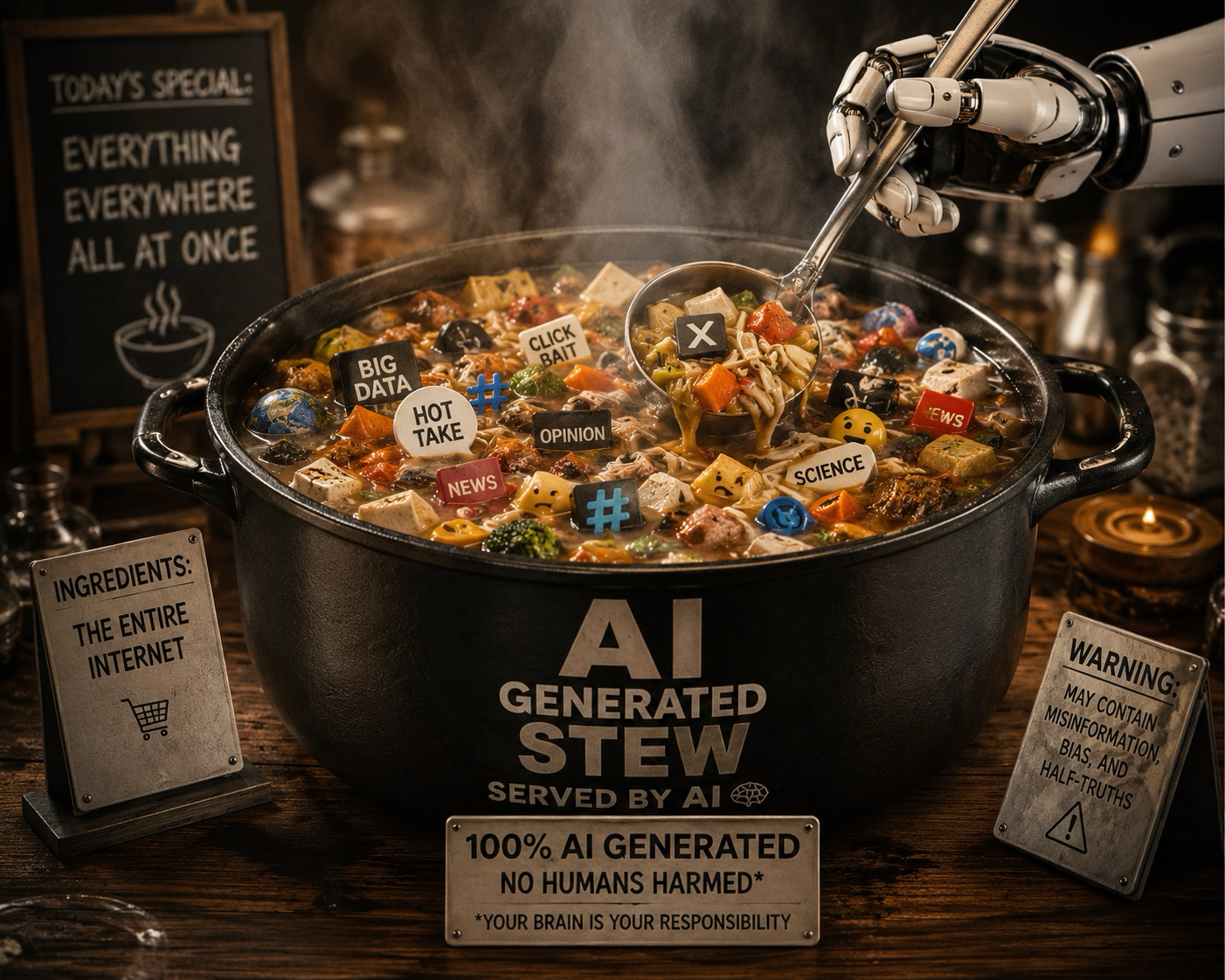
You can make a stew out of anything.
That’s exactly what #AI does with the internet.
And that’s exactly what most #agile transformations do with organizations.
#AgileCheese takes the opposite approach: before adding ingredients, remove them.
Complexity is just information that hasn’t been deleted yet.
The future belongs neither to intelligence nor to productivity.
It belongs to whoever knows what not to put into the stew.
That’s where the #cheese is. 🧀🔥 #Leadership #Complexity #AI
Alt...
AI generated stew
![[?]](https://files.mastodon.social/accounts/avatars/109/355/050/369/648/745/original/01d3bd58da9b00e4.png)
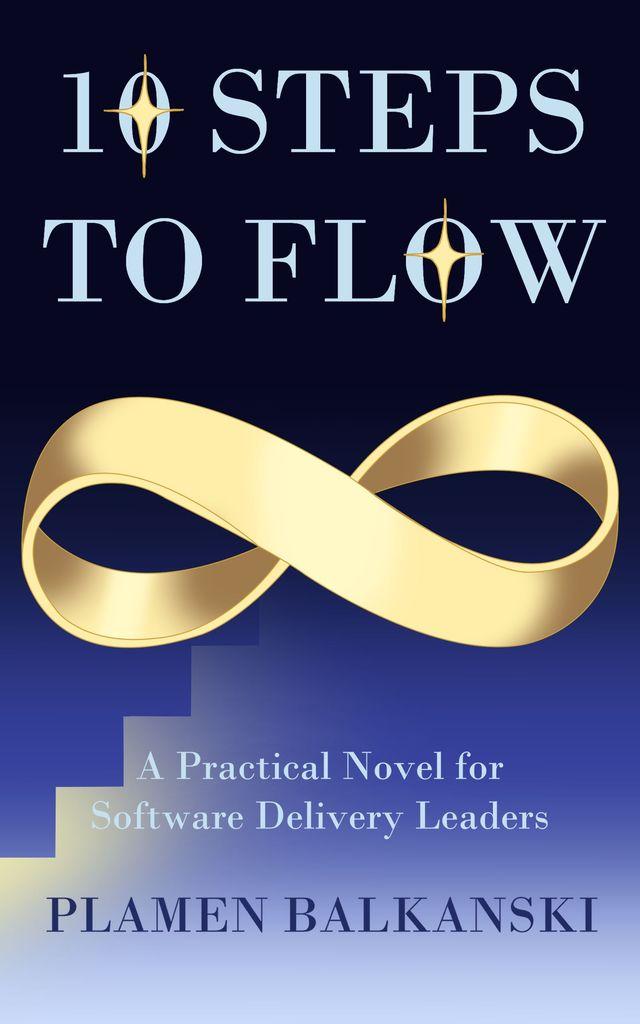
10 Steps to Flow: A Practical Novel for Software Delivery Leaders by Plamen Balkanski is a new release on Leanpub!
David leaned forward, intrigued. "An inventor of better systems? You always say stuff like that Alex! What do you mean?"
Link: https://leanpub.com/10-steps-to-flow
#books #ebooks #newreleases #leanpublishing #selfpublishing #leadership_agile #consulting #leadership
![[?]](https://files.mastodon.social/accounts/avatars/112/342/617/510/979/081/original/8bb6c11cb1111c15.png)
Sehr viele Führungskräfte reden im Meeting mehr als ihr ganzes Team zusammen und wundern sich, warum keine Ideen kommen.
Das stärkste Führungsinstrument ist kein Tool und kein Framework. Es ist Zuhören. Eine Frage reicht: "Was noch?". Immer wieder, bis nichts mehr kommt. Erst dann hörst du, was dein Team wirklich denkt.
Alt...
Dein bestes Tool ist zuhören
Organisational Dysfunction of the Day
It's just a job
Context: The workplace is tolerable. Not great, but manageable. You have learned when to speak and when to stay quiet. You have learned not to care too much about decisions made above you. You protect your energy where you can. Then one evening, you notice you are short with your partner for no reason. You are tired in a way that sleep does not fix. You have stopped talking about work at home, not because things are fine, but because there is nothing useful to say. Friends ask how work is going. "Fine," you say. "It's just a job." You mean it as a boundary. It has quietly become something else.
OST explains: Merrelyn Emery described the spiralling maladaptive effects of bureaucracy, and the word spiral matters. It does not stabilise. A structure that generates contempt, humiliation, guilt, shame, and anger at work produces defence mechanisms: withdrawal, cliques, playing politics, and passing the buck. These make the workplace worse, which deepens the distress, which reinforces the defences. The spiral turns. And it does not stop at the door. Apathy and fatigue at work feed family and community disruption at home. Physical and mental health erode. Economic anxiety compounds it. This is where burnout ends up when it is not named or addressed — not recovery, but a permanent lowering of what life is expected to offer. Emery was clear that this is not a collection of individual failures. It is the predictable, structural output of DP1 applied at scale and over time. Organisations pay for it in productivity. Families pay for it in absence and conflict. Communities pay for it in disconnection. "It's just a job" sounds like pragmatism. It is the sound of the spiral completing.
![[?]](https://tomsgedankenblog.social/wp-content/uploads/2022/10/cropped-wp-1666202986272-4.jpg)
#LINKSDERWOCHE | 24/2026: Produktivität, Agile, Leadership und Management, Politik und Gesellschaft

Photo by Pixabay on Pexels.com
PRODUKTIVITÄT
Homeoffice | Ein Bild sagt oft mehr als tausend Worte
Homeoffice ist Fluch und Segen zugleich. Seit geraumer Zeit habe ich eine Homeoffice-Quote von fast 100 %. Der Tech-Cartoon von Christian Möller trifft das Gefühl, das dabei gelegentlich in mir entsteht, ziemlich gut. Wenn ich dann ein- bis zweimal pro Woche aus dem Homeoffice zu einer Abendveranstaltung verschwinde, stößt das nicht immer auf Gegenliebe bei meiner Familie. Dabei ist das für mich der Schlüssel zum „Überleben“ im Homeoffice. Der Mensch ist ein soziales Wesen. Videokonferenzen können die persönliche Interaktion nicht ersetzen. Und unter uns: Ich habe schon während der Corona-Pandemie bemerkt, dass mein „Sozialverhalten” unter zu viel „digitaler” Kommunikation leidet. Hiergegen zu steuern ist sehr wichtig.
https://www.cloud-science.de/homeoffice-isolation/
Obsidian | Wie startet man?
Der Artikel von Daniel Schimpke trägt den Titel „Mit Obsidian starten”. Zwei Punkte, die er festhält, kann ich aus eigener Erfahrung bestätigen: Mit einer einfachen Struktur starten. Keinesfalls Notizen aus anderen Programmen importieren. Ersteres kann ich grundsätzlich für jede Form der Ablage empfehlen. Unnötig komplexe Strukturen sind anstrengend, nerven und man verzettelt sich. Bei Letzterem mag es etwas verwundern. Man startet einfach bei Null, komplett sauber, was eine gute Gelegenheit ist, um einmal alles zu entrümpeln, was sich angesammelt hat. Und unter uns: Im Laufe der Zeit sammelt sich unglaublich viel „Zeug” an – gerade digital. Gerade digital.
https://www.kadaschi.de/so-wuerde-ich-heute-nochmal-mit-obsidian-starten/
AGILE
Scrum Master:innen | Mythen, die Scrum Master:innen und Scrum Teams ausbremsen
Obwohl Scrum offenbar als etabliertes Rahmenwerk gilt, das vor allem im Umfeld von Neuentwicklungen zum Einsatz kommt, geistern nach wie vor einige „Mythen” durch die Welt, die sich einfach nicht ausrotten lassen. Und das, obwohl der Scrum-Leitfaden sehr eindeutig ist. Zu diesen Mythen gehören die drei von Stephen Woolston thematisierten Punkte im Hinblick auf Scrum Master:innen. Das Problem dabei ist: Diese Mythen tragen auch wesentlich dazu bei, dass sich Scrum-Teams und Scrum-Master:innen nicht wirklich weiterentwickeln. Unter anderem ist eine Scrum Masterin nicht nur für das Scrum-Team da, sondern immer auch für die Gesamtorganisation. Scrum Master beheben übrigens keine Impediments selbst, sondern sind dafür verantwortlich, dass dies stattfindet, indem sie dabei unterstützen (Eigenverantwortung lässt grüßen). Scrum Master „moderieren” außerdem alle Scrum-Events. Nein, müssen sie nicht. Sie stellen nur sicher, dass sie effektiv und effizient sind. Das ist übrigens ein guter Reifegradindikator für Teams.
https://www.scrum.org/resources/blog/three-scrum-master-myths-could-be-holding-your-scrum-back
Sprintziel | Vorlagen, die dabei helfen, Sprintziele zu formulieren
Meine agile Reise begann im Jahr 2008, das sind immerhin schon 18 Jahre. Und in all den Jahren war es immer wieder eine Herausforderung, Sprintziele zu formulieren. Das hat sich bis heute nicht geändert. Das gilt wohl für jede Form der Hypothesenbildung. Dabei ist die Hypothese das A und O des empirischen Arbeitens. Sie muss nicht immer SMART sein. Es gibt einige andere gute Ansätze wie GUT, AMORE, CLEAR oder PURE. Nur so nebenbei. Sehr hilfreich ist immer der Fokus auf das Ergebnis: Was soll für wen mit welchem Ziel erreicht werden und weshalb – das ist nicht ohne Grund meine Lieblingsfrage. Simon Flossmann hat als dritten Ansatz noch ein Template entwickelt, das sich eignet, wenn die Endnutzer noch nicht wirklich greifbar sind.
KI und kognitive Schulden | Augen auf und Verstand an, wenn es um KI gibt
Überall hört man, dass die KI alles schneller und effizienter macht. Nun ja, da bin ich etwas skeptischer. Zumindest was die Effizienz betrifft. Schneller sicher. Aber alles hat auch einen Preis. Einen Preis, den wir beim KI-Einsatz in der Entwicklung zahlen, sind beispielsweise „kognitive Schulden” (vermutlich auch „technische Schulden”, wenn die Qualitätssicherung unterschätzt wird, was hier aber nicht Thema ist). Piyush Rahate umreißt das Thema recht gut. Es gilt also auch beim Einsatz von KI: immer Augen auf, Verstand an.
https://www.scrum.org/resources/blog/cognitive-debt-yes-it-very-much-real
Agil-industrieller Komplex | Systemische Auswüchse – hier: Vermittlung externer Scrum Master oder der „billige Jakob“ hat einen Preis
Zu den systemischen Auswüchsen des agil-industriellen Komplexes hat Felix Stein sicherlich einen Punkt getroffen. Dazu gehört auch die Problematik des „billigen Jakob” und der Preisunterbietungswettbewerb bei Personalvermittlungen, der leider oft mit Qualitätseinbußen bei den entsprechenden Kandidaten einhergeht. Ich habe schon Ausschreibungen gesehen, bei denen ich mich gefragt habe, wie sich überhaupt jemand darauf bewirbt, denn die Tagessätze waren und sind alles andere als auskömmlich. Insbesondere, wenn man sich die Anforderungen ansieht, die gestellt werden. Fort- und Weiterbildungen wären also umsonst. Nun ja, das ist der berühmte Preiswettbewerb. Er geht fast immer auf Kosten der Qualität und ist, wie schon gesagt, eine systemische Schwäche.
https://www.lean-agility.de/2024/04/die-vermittlung-externer-scrum-master.html
LEADERSHIP UND MANAGEMENT
Leadership | Kluge Führung weiß, dass sie nichts weiß …
Sokrates soll den Satz „Wer glaubt, etwas zu sein, hat aufgehört, etwas zu werden.“ gesagt haben. Dieser Satz fasst aus meiner Sicht gut zusammen, was Dan Rockwell in seinem Blogartikel Führungskräften mitgibt, auch wenn er es etwas anders ausdrückt. Seine Empfehlung lautet, sich als Führungskraft „dumm“ zu stellen. Das heißt, nicht Antworten vorzugeben, sondern neugierig Fragen zu stellen, die Menschen anspornen, ihre eigene Kompetenz weiterzuentwickeln, und dabei selbst mitzuwachsen. Das klingt einfach, ist aber manchmal verdammt schwer.
https://leadershipfreak.blog/2026/06/12/smart-leaders-show-up-stupid/
Delegation | Nicht zu delegieren behindert Führung und Geführte
Aufgaben zu delegieren ist kein Thema, dass ausschließlich Führungskräfte im engeren Sinne betrifft, sondern durch aus in vielen verschiedenen Kontexten eine Rolle spielt. Allerdings ist der Bezug im zweiten verlinkten Beitrag von Dan Rockwell doch sehr stark auf Führungskräfte. Interessant ist ja dabei immer wieder, wenn Führungkräfte der Meinung sind Aufgaben nicht delegieren zu können, weil Mitarbeitende vermeintlich noch nicht soweit seien. Das dabei auch Wachstumspotentiale blockiert werden und die Entwicklung von Teams und Mitarbeitenden damit unmöglich gemacht wird, sollte man sich ebenso vor Augen führen, wie die Entlastung die eine sauber Aufgabendelegation erzeugen kann. Ein klar definierter Auftrag mit einem definierten Korridor wirkt oft Wunder und löst so manchen Knoten. Daran scheitert es leider öfter, wenn die Aufgabendelegation nicht funktioniert. Aber genau dies ist die Führungsleistung. An dieser können Führung und Geführte übrigens gemeinsam gut wachsen und lernen.
https://leadershipfreak.blog/2026/06/10/make-the-unready-ready/
Mensch-Maschinen-Schnittstelle | Wenn KI Experten unterstützt statt sich zur Expertin aufzuschwingen
Auf den ersten Blick scheint das Thema von Astrid Kuhlmey nicht unbedingt in die Rubrik „Management und Leadership” zu passen. Auf den zweiten Blick schon. Denn wer entscheidet, ob wir Menschen oder die IT an der Kundenschnittstelle interagieren? Genau, das Management. Das Management. Menschen, die in zweiter und dritter Ordnung denken können, werden sich bestätigt fühlen, wenn Wissen als gespeicherte Information betrachtet wird. Gerade auch dort, wo es um Interaktion mit Menschen geht. Bedauerlicherweise sind es die „Effizienzneurotiker”, die an diesem Punkt nur so weit denken können, wie ihre Praktikanten bzw. die KI ein Klavier werfen kann. Pardon, das musste jetzt einfach sein. Kuhlmey plädiert für eine KI, die Expertinnen und Experten unterstützt, statt sich selbst als Expertin zu sehen. Dieses Plädoyer sollten mehr Entscheider übernehmen. Dann wird hoffentlich auch ein Schuh daraus.
https://t2informatik.de/blog/digital-me-mehr-als-meine-daten/
POLITIK UND GESELLSCHAFT
Kriminelles vom rechtsextremen Rand | Wo findet man die meisten Straftäter in der Politik? In der AfD
Die Damen und Herren der AfD zeigen gerne mit dem Finger auf andere, vergessen dabei jedoch, dass dabei immer auch vier Finger zurückzeigen. Das ist in einer Partei, in der überdurchschnittlich viele Menschen versammelt sind, die in puncto krimineller Energie den vermeintlichen „Sündenböcken” der blauen Partei in nichts nachstehen, ja sogar deutlich übertreffen, durchaus berechtigt. Wer es nicht glaubt, möge einen Blick in den Blog der Republik werfen. Dort finden sich fast wöchentlich jede Menge Hinweise und Belege, wie beim Artikel „AfD – Kriminelles und Kurioses vom rechtsextremen Rand, Update 47”. Wie die Bezeichnung „Update 47” belegt, gibt es noch viel mehr. Es sind lediglich die aktuell bekannten Meldungen – Achtung – aus einer Woche, die hier zusammengetragen wurden.
https://www.blog-der-republik.de/afd-kriminelles-und-kurioses-vom-rechtsextremen-rand-update-47/
#Agile #Delegation #Gesellschaft #Homeoffice #KI #KognitiveSchulden #Leadership #Management #Obsidian #Politik #Produktivität #Scrum #ScrumMaster #Sprintziel #Verwaltung![[?]](https://files.mastodon.social/accounts/avatars/112/343/359/340/425/766/original/bd770fab2764fb57.png)
Conversely, when unchecked, it can cloud judgment, disrupt collaboration, and derail projects.
Read more 👉 https://lttr.ai/AsCx0
You can't "empower" a team that's drowning in firefighting. A team in survival mode has zero time to self-organize because it's too busy putting out your fires.
Self-organization is a destination, not a command. Get them out of survival mode first.
Alt...
SURVIVAL MODE
CAN'T SELF-ORGANIZE
This foundation of trust and transparency creates an environment where ideas can flow freely, and the best solutions prevail rather than the loudest voices.
Read more 👉 https://lttr.ai/AsCxm
#ExtremeProgramming #Leadership #BusinessOwnership
On one hand, it can drive ambition and excellence, pushing individuals and teams to surpass expectations.
Read more 👉 https://lttr.ai/AsCxi
#ExtremeProgramming #Leadership #BusinessOwnership

Long term Product Goals for creating superior products: How to create and use product goals, product vision, north stars and true norths to deliver winning products by Allan Kelly is the featured course 🎓 on Leanpub!
What does your product want to be when it grows up?
Link: https://leanpub.com/courses/leanpub/productgoals
#scrum #innovation_management #leadership #product_management #strategy
Micromanagement is not a personality trait. It's a symptom.
It means your organization never built the structures, clarity, or trust that would make it unnecessary.
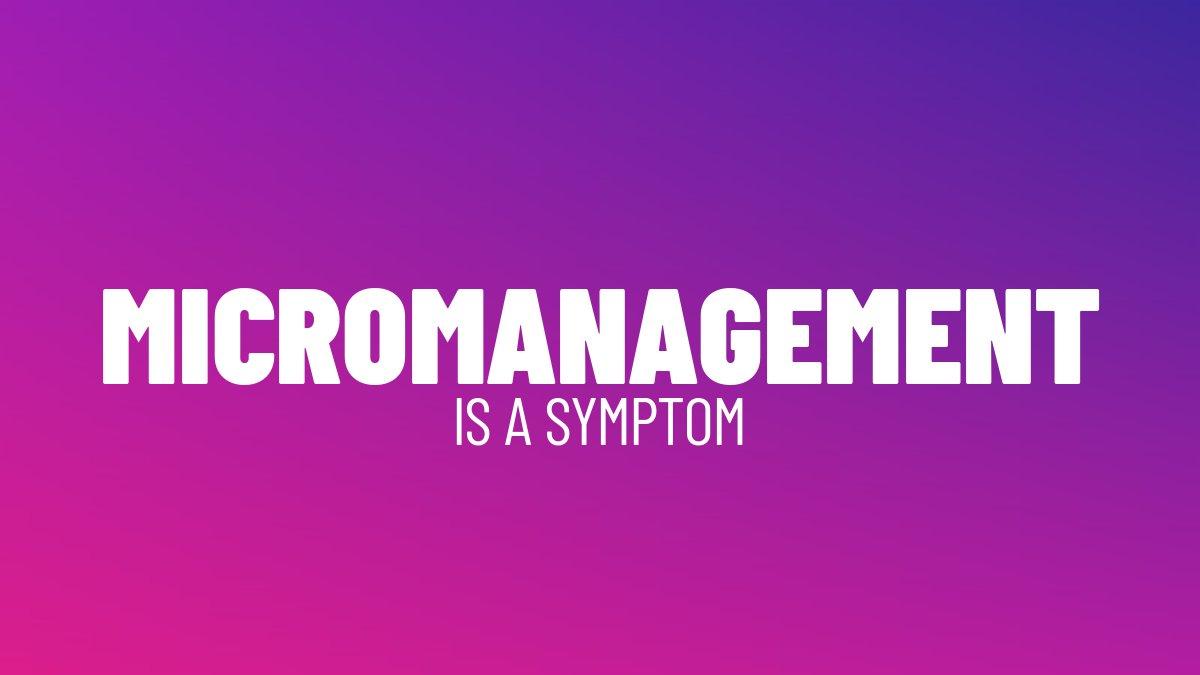
Alt...
MICROMANAGEMENT
IS A SYMPTOM
"If teams self-organize, do we even need leaders anymore?"
Yes. More than ever.
But the role changes completely: from moving pieces on a board to creating conditions for the pieces to move themselves.

Alt...
CHESS PLAYER OR GARDENER
Avoiding complacency isn’t just about maintaining momentum; it’s about staying competitive and prepared for unforeseen challenges.
Read more 👉 https://lttr.ai/AsAqg