Search results for tag #agile
![[?]](https://files.mastodon.social/accounts/avatars/112/342/617/510/979/081/original/8bb6c11cb1111c15.png)
Dein Team liefert wie verrückt und wird trotzdem nicht besser?
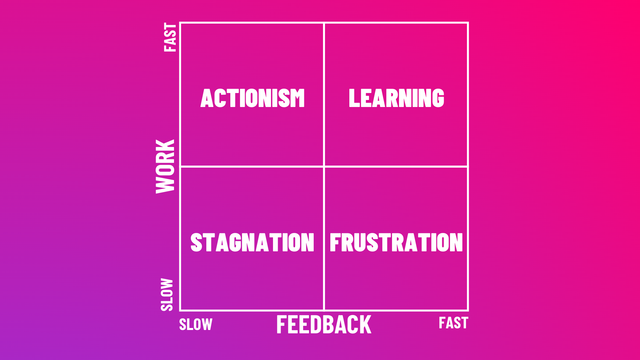
Work und Feedback haben zwei getrennte Geschwindigkeiten. Daraus ergeben sich vier Zustände:
- Learning: beides schnell – nur hier lernst du
- Aktionismus: viel liefern, wenig lernen
- Frustration: Problem erkannt, keiner entscheidet
- Stagnation: doppelt blockiert
Und das Wichtigste: strukturell, nicht kulturell. Ein Top-Team kann in Frustration feststecken.
https://no-bullshit-agile.de/nbak10-die-4-zustaende-learning-oder-aktionismus.html
#Agile #AgilesArbeiten #Feedback
Alt...
NBAK10: Die 4 Zustände. Lernst du oder machst du nur Aktionismus?
Je mehr ich über Work und Feedback mit Menschen spreche, desto mehr fällt mir auf, dass wir durch Jira indoktriniert sind. Aber: Agiles Arbeiten hat nix mit Epics, Stories und Tasks zu tun. Gar nix! Versucht euch da mal frei zu machen und nur an Work und Feedback und dessen Kopplung zu denken.
![[?]](https://media.hachyderm.io/accounts/avatars/109/381/963/540/469/664/original/8a8562b0c10666f4.jpg)
![[?]](https://media.hachyderm.io/accounts/avatars/109/306/351/776/833/297/original/84e81ff40d0a7bbe.png)
Time for a re- #introduction! I’m a California native living in Los Angeles. I’ve worked on #SoftwareDevelopment teams for over 15 years now. I like to explore #Agile and experiment with #AgileMethodologies. You may find me tooting about those things, or about #houseplants, #cats, #sourdough, #baking, #macrame, #TVShows and #cyanotypes. Glad to be here!
![[?]](https://files.mastodon.social/accounts/avatars/109/250/638/099/296/776/original/fbe9860e481b600b.png)
AI lets you code at warp speed, but without Agile safety nets like TDD and pair programming, you are just creating technical debt faster. Learn how to use Agile guardrails to turn GenAI speed into high-quality software.
Read the full insight: https://www.infoworld.com/article/4155901/how-agile-practices-ensure-quality-in-genai-assisted-development.html
![[?]](https://alvinashcraft.com/img/md-light-1024.png)
Dew Drop - July 16, 2026 (#4713)
Top Links
TechBash 2026 Session Highlights for .NET Developers (TechBash Team)
Visual Studio Code 1.130 (Insiders) (Visual Studio Code Team)
.NET Rocks! - The Role of AI in Testing with Debbie O'Brien (Carl Franklin & Richard Campbell)
Rider 2026.2 Release Candidate Is Out! and R…
![[?]](https://media.infosec.exchange/infosec.exchange/accounts/avatars/109/361/006/156/396/201/original/5ddf6e284092c783.gif)
Managing your innovation pipeline through AI projects
Many organisations “try AI” without real business requirements, guardrails or an innovation pipeline. This post explains how to manage #AI projects as an #innovation portfolio and why #agile still needs clear functional and non functional requirements.
https://katecarruthers.com/managing-your-innovation-pipeline-through-ai-projects/
![[?]](https://mastodon.moscow/system/accounts/avatars/116/397/673/048/057/419/original/d339a220968ac595.png)
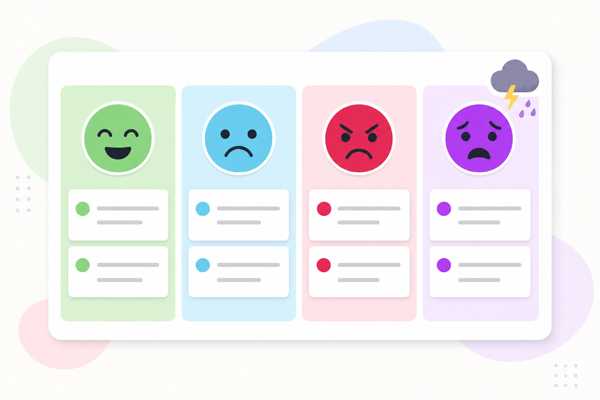
Что делать, если команда обсуждает не только прошедший спринт, но и тревожится о будущем?
Glad, Sad, Mad, Afraid добавляет к знакомой эмоциональной ретроспективе четвёртый вопрос: чего мы опасаемся дальше. В новой статье разбираем четыре колонки, правила безопасного разговора и сценарий встречи на 55 минут.
Читать: https://retropoint.ru/news/glad-sad-mad-afraid-retrospective
#RetroPoint #тимлид #управлениекомандой #retrospective #ретроспектива #agile #scrum #teamlead #команда #retroonline #просторетро #ретро #команднаяработа
![[?]](https://files.mastodon.social/accounts/avatars/109/355/050/369/648/745/original/01d3bd58da9b00e4.png)
Agile Software Architecture by Martín Salías is free with a Leanpub Reader membership! Or you can buy it for $7.99! https://leanpub.com/agileArchitecture #agile #software_architecture
![[?]](https://media.hachyderm.io/accounts/avatars/116/580/040/333/101/968/original/460dbb1a82fed4cd.jpg)
🧭 By default we humans spend about 5% of our time planning and 95% implementing. The research says it should be closer to 20% planning, 80% action.
I found that in Chris Bailey's Intentional. In Scrum, Sprint Planning, Review, Retrospective, and Daily Scrum are all about planning and goal attainment, about 10% of the Sprint. Scrum anticipated that research by more than a decade.
The usual "too much planning" pushback is misplaced.
https://agilepainrelief.com/newsletter-subscribe/?utm_source=mastodon&utm_campaign=archive-reshare
![[?]](https://zhub.link/system/accounts/avatars/110/831/462/547/346/560/original/a3319d783179a343.png) Habr » 🤖 🌐
Habr » 🤖 🌐
@habr@zhub.link
Как «Первый Бит» выстроил прозрачный контур управления IT-командой на базе EvaTeam — российского аналога Jira
Как руководителю понять, чем занята ИТ-команда : сколько ресурсов уходит на поддержку, какие работы относятся к проектной нагрузке, где задачи остаются без оценки, а где назначены исполнители, но работа не движется? В компании «Первого Бита» для этого внедрили единый управленческий контур EvaTeam , поверх системы настроили аналитический HTML-дашборд. Через API он собирает данные, помогает находить слепые зоны и принимать управленческие решения на основе фактической загрузки команды. В статье разбираем архитектуру решения, логику разделения поддержки и проектных работ, состав аналитики и результаты одного из ежемесячных отчётных срезов .
https://habr.com/ru/companies/evateam/articles/1059818/
#импортозамещение #jira #evateam #confluence #российское_по #atlassian #kanban #agile #консалтинговые_компании #консалтинговый_проект
„Wie sollen wir so unterschiedlich große Stories schätzen?" Das ist die falsche Frage.
Du machst sie nicht gleich groß. Du machst sie klein. Horizontal schneiden, bis jedes Stück für sich Wert liefert. Der Rest ist laufende Priorisierung: Was ist jetzt am wichtigsten? Das nach oben. In Kanban jederzeit änderbar, solange nichts angefangen ist.

Alt...
Nicht gleich groß, sondern klein genug
Leading a product org carries a heavy, invisible mental load. Often, we struggle by trying to mimic other leaders or fixing weaknesses instead of doubling down on our unique strengths. This piece explores how naming your specific value reduces friction: https://insideproductorg.substack.com/p/the-hidden-mental-load-of-leading
Dew Drop - July 15, 2026 (#4712)
Top Links
CoreCLR Progress and the Mono Timeline for .NET MAUI (David Ortinau)
Built-in Agent Skills Bring .NET and Azure Expertise into Visual Studio (Simona Liao, Wendy Breiding (SHE/HER) & Yun Jung Choi)
ASP.NET Core updates in .NET 11 Preview 6 (Dan Roth)
Preparing Your Codeb…
![[?]](https://files.mastodon.online/accounts/avatars/109/262/550/643/164/718/original/117380847c2009bf.jpg)
Why Companies Get #Agile Right—and Wrong
https://www.bcg.com/publications/2024/why-companies-get-agile-right-wrong
Habr » 🤖 🌐
@habr@zhub.link
Как измерить «здоровье» дизайн-команды? Полтора года опыта с ретроспективой Spotify Health Check
Привет! Я Владимир Крылов, продуктовый дизайнер и тимлид. В этой статье я поделюсь опытом проведения ретроспектив по методологии Squad Health Check, придуманной в Spotify. Расскажу, почему нам не подошел стандартный формат ретроспектив, в чём суть метода, какие темы для анализа проблем мы выбрали и к каким результатам в итоге пришли. Как мы измеряем здоровье команды →
https://habr.com/ru/articles/1059150/
#ретроспектива #Spotify_Health_Check #здоровье_команды #тимлидство #тимлид #управление_командой #agile #оценка_команды #продуктовый_дизайн #фреймфорк
![[?]](https://files.mastodon.online/accounts/avatars/110/662/852/345/682/042/original/142c7afdf9675462.png)
Dew Drop - July 14, 2026 (#4711)
Top Links
The Visual Studio Dev/Test Benefit: Freedom to Build, Test, and Experiment in Azure (James Rempt)
Goodbye ValueConverters, Hello C# Expressions in .NET MAUI (Leomaris Reyes)
Build and Deploy Your First AI Agent with Microsoft Foundry Toolkit (Bethany Jepchumba)
Debuggin…
![[?]](https://files.mastodon.social/accounts/avatars/115/828/875/319/585/768/original/e9435f1e3dedb156.jpeg)
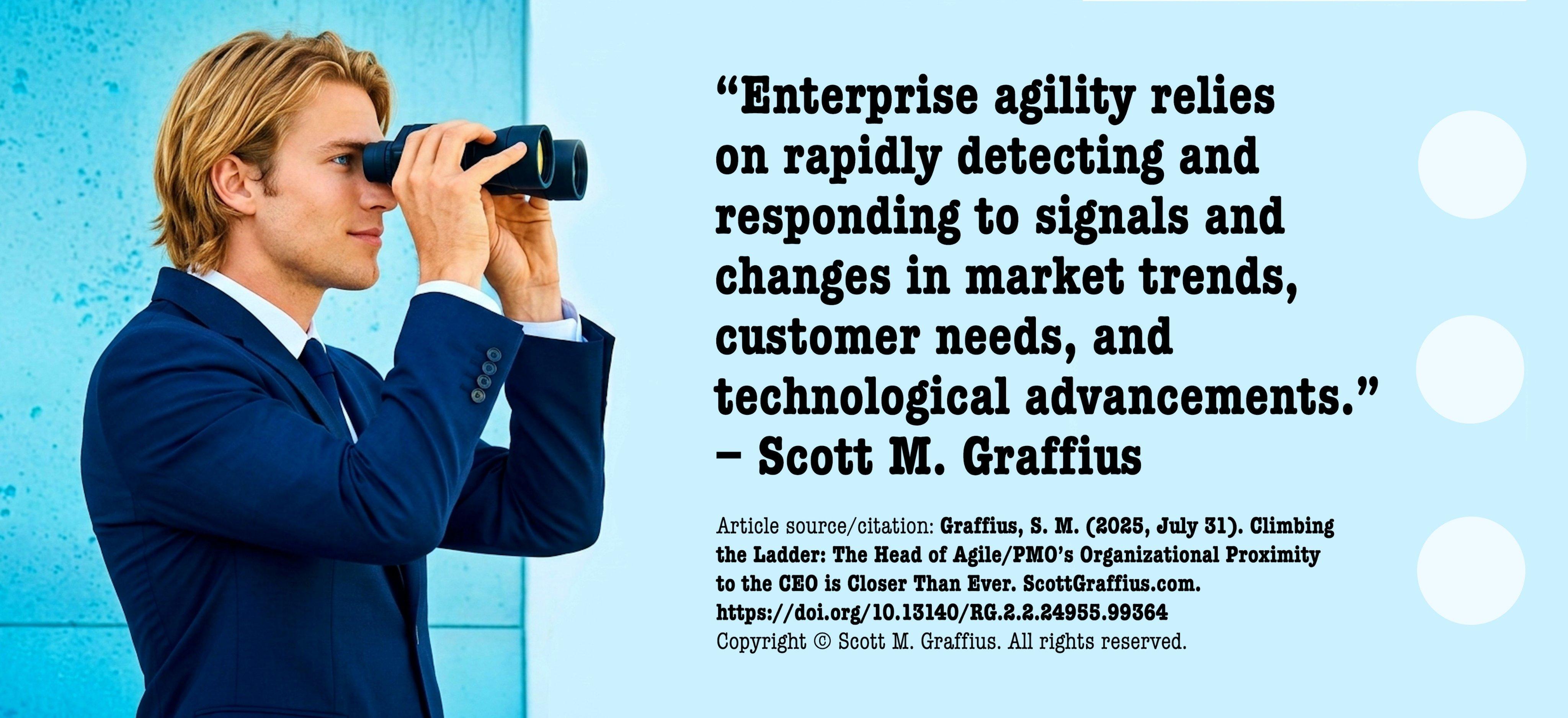
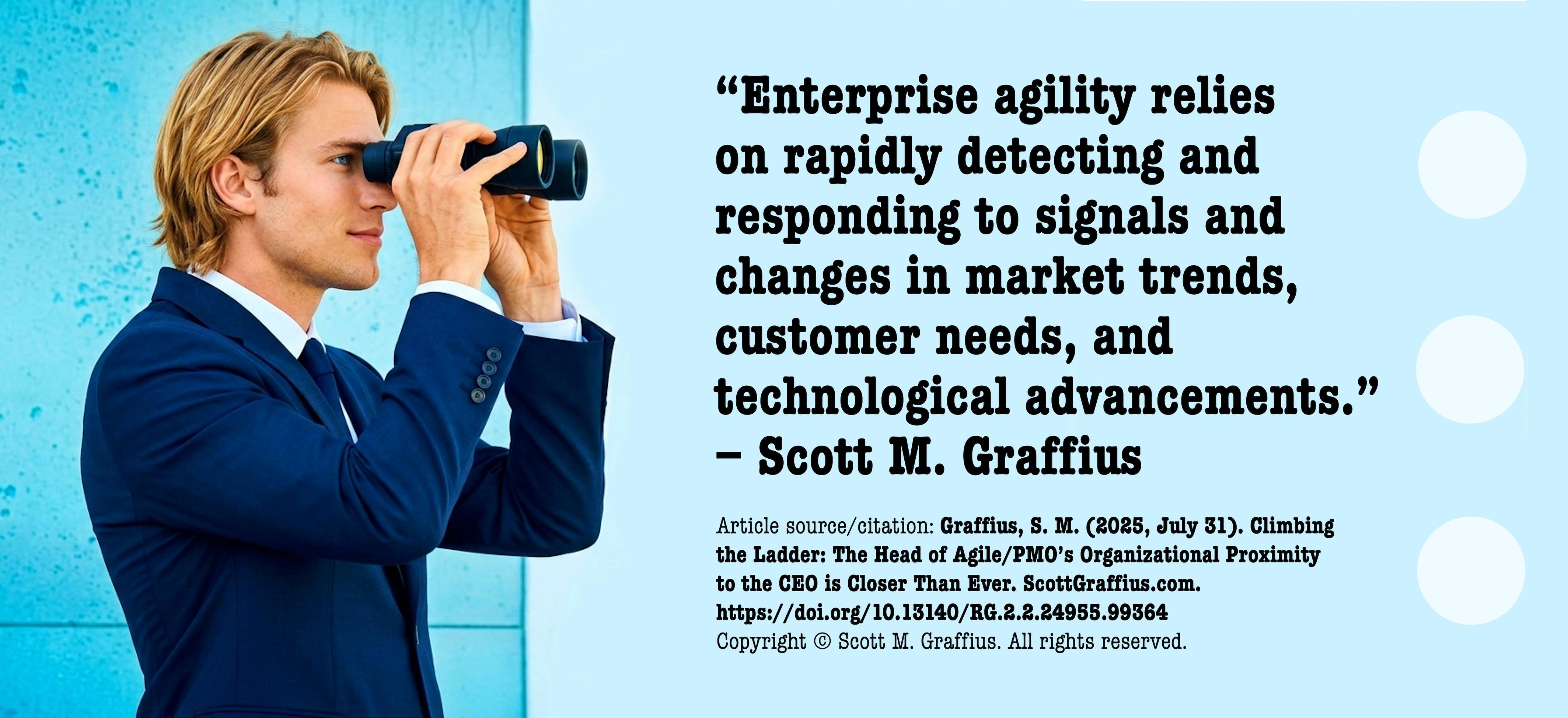
"Enterprise agility relies on rapidly detecting and responding to signals and changes in market trends, customer needs, and technological advancements."
#Agile #Agility #EnterpriseAgility #Tech #Leadership
🃏 GenAI code quality starts with how models are trained. Training rewards pass/fail: does it compile and pass the tests? There's no reward for code that's easy to maintain. Worse, 0-1 grading rewards guessing over admitting uncertainty, so models learn to "bluff" with overconfident guesses.
OX Security likens this to an army of junior developers: fast, functional, lacking architectural judgment. TDD helps, but solves the wrong problem.
![[?]](https://cdn.masto.host/mastodonie/accounts/avatars/109/287/644/790/067/714/original/5e277c239abea519.jpg)
🏖 В RetroPoint появился новый модуль «Отпуска и дни рождения»!
Теперь команда может видеть отпуска, Day-Off и больничные на общей временной шкале, а сотрудники — подавать заявки на отсутствие. Тимлид или мастер согласует их прямо в сервисе.
🎂 Календарь покажет ближайшие дни рождения коллег.
🔔 Email-напоминания помогут не пропустить важную дату и вовремя проверить остаток отпуска.
Меньше отдельных таблиц и переписки, больше прозрачности при планировании работы команды.
Подробнее: https://retropoint.ru/news/absences-birthdays-launch
@rf @Russia@3zi.ru @russia@lemmy.ml
#RetroPoint #тимлид #1to1 #управлениекомандой #retrospective #ретроспектива #agile #scrum #kanban #teamlead #it #itleads #teamleadthings #команда #retroonline #просторетро #oneonone #one2one #pokerplanning #ретро #realtime #performancereview #okr #команднаяработа

Dew Drop - July 13, 2026 (#4710)
Top Links
Better tools made Copilot code review worse. Here's how we actually improved it. (Napalys Klicius)
Betatalks, the Podcast Episode #134 - The Future of Software Development with AI Agents - with Burke Holland (Rick van den Bosch & Oscar van Tol)
Marketplace Ingestion MCP…
![[?]](https://files.mastodon.social/accounts/avatars/110/663/603/233/434/084/original/1e1b3ab20dfd710e.png)
Communication is the legacy technology of human intelligence.
#AI has already shown that meaning is generated by the receiver.
#AgileCheese removes the sender completely.
With #PersonalityVirtualization, every stakeholder lives inside your mind and generates the message on demand.
The fastest message is the one that was never sent.
That’s what true #agile is.
That’s where the #cheese comes from. 🧀

Alt...
A man practicing #AgileCheese
If you're involved in agile, enterprise agility, PPPM (project/program/portfolio management), PMO management, or leadership (tech or business), then don't miss this ...
#Agile #EnterpriseAgility #PPPM #PMO #Leadership
Команда набирает высоту, но что помогает ей лететь, что тянет вниз и какие бури уже видны на горизонте? 🎈
В новой статье разбираем ретроспективу Hot Air Balloon. Объясняем зоны Hot air, Sandbags и Storms, даём сценарий встречи примерно на 50 минут и показываем, как перейти от метафоры к конкретным действиям. ⛈️
Готовый шаблон уже есть в RetroPoint 🚀
https://retropoint.ru/news/hot-air-balloon-retrospective
#RetroPoint #тимлид #1to1 #управлениекомандой #retrospective #ретроспектива #agile #scrum #kanban #teamlead #it #itleads #teamleadthings #команда #retroonline #просторетро #oneonone #one2one #pokerplanning #ретро #realtime #performancereview #okr #команднаяработа

Agile ceremonies often mask a deeper issue: a lack of trust. In product, velocity isn't about tools or AI; it's about ownership and rigor. We must stop using tech to skip the human connection required for real value. Dive into Pavel's take on building trust: https://productpicnic.beehiiv.com/p/trust-is-not-built-on-craft-alone #ProductManagement #Agile
![[?]](https://tomsgedankenblog.social/wp-content/uploads/2022/10/cropped-wp-1666202986272-4.jpg)
#LINKDERWOCHE | 28/2026: Produktivität, Lean, Agile, Management und Leadership, Politik und Gesellschaft

PRODUKTIVITÄT
Mut | Der reflektierte Umgang mit der Angst, um sie überwinden
Mut ist nicht mit Blauäugigkeit und der Ignoranz von Risiken zu verwechseln. Meiner Meinung nach ist Mut etwas, das aus der Reflexion von Sorgen und Ängsten entsteht und die bewusste Überwindung von Blockaden durch Ängste darstellt. Wer keine Angst kennt, ist gefährlich, weil er unkontrolliert Risiken eingeht. Wer allerdings von seinen Ängsten kontrolliert und beherrscht wird, verpasst die Chance, voranzuschreiten. Mut ist demnach die bewusste und reflektierte „Überwindung” der Angst. In diesem Zusammenhang passt für mich sehr gut der Beitrag von Dan Rockwell, der Mut als reflektierten Akt versteht, Blockaden zu überwinden und zu wachsen.
https://leadershipfreak.blog/2026/07/06/courage-isnt-a-feeling/
Außergewöhnliches | Gewöhnlichen Menschen leisten außergewöhnliches
Menschen werden nicht als außergewöhnliche Wesen geboren, sondern sie werden außergewöhnlich, weil sie Außergewöhnliches erreichen. Dies erreichen sie oft nicht nur aufgrund ihrer Persönlichkeit, sondern auch, weil Kontext, Fähigkeiten, Mitstreiter, Umfeld und weitere Faktoren zusammenfallen. Ich habe lange gebraucht, um zu verstehen, dass Führungspersönlichkeiten, die einem immer wieder als leuchtendes Beispiel unter die Nase gerieben werden, nur deshalb Außergewöhnliches erreicht haben, weil sie im passenden Kontext mit dem passenden Umfeld genau die richtigen Fähigkeiten hatten. Und noch etwas ist mir immer wieder aufgefallen. Diese Menschen haben sich selbst nie als außergewöhnlich angesehen, sondern eine Herausforderung gesehen, die es zu lösen galt, um etwas zu verändern. Nicht für den eigenen Ruhm, sondern aus Überzeugung. Dazu passt auch sehr gut ein weiterer Artikel von Dan Rockwell, über den ich gestolpert bin.
https://leadershipfreak.blog/2026/07/09/the-myth-of-extraordinary/
Reichweite | Weshalb die Reichweite und andere Schaufenstermetriken
„Hüte dich vor Schaufenstermetriken“, schreibt Lars Richter in seinem Blogartikel – damit trifft er für mich den Nagel auf den Kopf. Es geht um Reichweite – oder besser um den Irrglauben, dass Reichweite die alles entscheidende Zahl ist. Wenn ich dieser Logik folgen würde, dürfte ich meinen Blog hier schon lange nicht mehr betreiben. Okay, er ist in erster Linie ein Hobby und hat gar nicht das Ziel, eine große Reichweite zu erreichen, sondern lediglich das Ziel, Menschen zu erreichen, die an einem gedanklichen Austausch mit mir interessiert sind, und ich will meine Inhalte nicht irgendwelchen großen Plattformen anvertrauen. Aber auch sonst kann ich immer wieder nur betonen: Wer ausschließlich auf Reichweite und Interaktionsraten setzt, wird erstaunt feststellen, dass er oder sie auf LinkedIn beispielsweise eine tolle Reichweite haben mag, deswegen trotzdem aber nicht mehr „Aufträge“ generiert (was unter anderem daran liegen könnte, dass dort jeder versucht, jedem etwas zu verkaufen).
https://scamper.blog/nutzen-first-reichweite-second/
LEAN
Selbstverbessernde Systeme | Was es braucht, damit sich ein System selbst und beständig weiterentwickelt
Pascal Dennis wirft die Frage auf, was ein sich selbstverbesserndes System (im Sinne einer Organisation) ausmacht und welche Voraussetzungen es dafür gibt. Er definiert hierfür zehn Elemente: Klarheit und Ausrichtung, Visualisierung aller entscheidungsrelevanten Informationen in einem Obeya-Raum, Kaskadierung und Rhythmus. Das sind alles Dinge, die ich nachvollziehen und auch so unterstützen kann. Das ist übrigens auch ein Grund, weshalb ich überzeugt bin, dass Obeya einen wertvollen Beitrag in diesem Sinne leisten kann: In einem guten Obeya finde ich all diese Elemente wiedergespiegelt. Obeya hilft mit seiner Visualisierung, die notwendige Klarheit und Transparenz zu erzeugen, damit sich das System weiterentwickeln kann.
https://blog.leansystems.org/2026/07/what-is-self-improving-system.html
AGILE
Scrum Master:in | Weshalb Scrum Master nicht jedes Meeting modererieren sollten …
Für mich ist ein Indikator für gute Selbstorganisation im Team, wenn der Teamfacilitator, z. B. der Scrum Master, nicht anwesend ist und der Laden trotzdem produktiv läuft. Nun könnte man natürlich fragen, wozu es dann einen Scrum Master braucht, wenn die Rolleninhaber die Meetings nicht moderieren. Zur Erinnerung: Die Aufgabe von Scrum Mastern ist es, die Produktivität sicherzustellen und sich nicht auf die Rolle der Moderatoren und Koordinatoren zu reduzieren. Sie sollen ein Team in die Lage versetzen, sich selbst zu managen. Dazu gehört, dass ein Team in der Lage ist, seine Regelmeetings selbst zu stemmen. Gerade beim Daily sollte ein gut eingespieltes Team dazu in der Lage sein. Wenn das Daily gut läuft und der Scrum Master entspannt nur Zuhörer ist, ist das ein gutes Zeichen dafür, dass im Team schon vieles sehr gut läuft. Wenn das Team während des Urlaubs des Scrum Masters eine Retro produktiv allein hinbekommt, umso besser. Das zeigt, dass alle den Sinn und Zweck der Retro verstanden haben und wissen, worauf es ankommt. Das ist auch ein weiteres Indiz dafür, dass ein Team gut eingespielt ist. Die Arbeit geht für die Scrum Master trotzdem nicht aus. Sie können sich dann stärker auf andere Produktivitätshindernisse fokussieren. Für alle, die es ausführlicher nachlesen möchten: Maria Iqbal räumt mit dem Mythos auf, dass Scrum Master:innen bei jedem Meeting dabei sein müssen.
https://www.scrum.org/resources/blog/myth-scrum-master-has-be-every-meeting
Besser entscheiden | 10 Werkzeuge für bessere Produktentscheidungen
Für mich ist die Feststellung von Simon Flossmann spannend, dass viele Organisationen in der Vergangenheit mit mittelmäßigen Entscheidungen gut vorangekommen sind. Da ist – gefühlt – etwas dran. Meine These ist, dass in der Produktentwicklung wie auch im Projektmanagement zu wenig „Anfangsinvestitionen” in Form von Hirnschmalz getätigt werden und die Frage, weshalb wir etwas für wen mit welchem Ziel machen, viel zu wenig in den Fokus gestellt wird. Am Ende werden Prioritäten nicht richtig gesetzt und Chancen nicht ergriffen. Dabei haben wir ein umfassendes methodisches Werkzeug zur Verfügung, um bessere Entscheidungen zu treffen. KI kann uns dabei helfen, ich würde mich allerdings nicht zu sehr auf sie verlassen, auch wenn der Artikel versucht, bei diesem Thema einen Bezug zur KI herzustellen. Offenbar muss man heute überall einen KI-Bezug herstellen, um noch gelesen zu werden …
Lean-Agile Practioner | Kompetenzen über die zu wenig gesprochen wird
Piyush Rahate versucht, die Eigenschaften guter Lean-Agile-Praktiker klarer zu fassen. Auch ich musste immer wieder feststellen, dass sich Scrum Master:innen in der Praxis oft zu sehr auf den Scrum-Leitfaden versteifen und sich zwar auf das agile Manifest berufen, es aber nicht wirklich durchdrungen haben. Es lohnt sich für Agilist:innen, sich intensiver mit dem Toyota Production System und Monozukuri (der japanischen „Lean“-Variante) zu beschäftigen. Mir hat es sehr geholfen, Agilität viel tiefer zu durchdringen und mit Leben zu füllen. Der Artikel kann diese Tiefe sicherlich nicht abbilden, er könnte aber der Anstoß sein, tiefer hinter die verschiedenen genannten Aspekte zu blicken. Ich kann ihn auf jeden Fall jedem empfehlen.
AI Working Agreement | Einsatz, Prinzipien und Regeln im Team sichtbar machen
Wer KI als Werkzeug in seinem Team einsetzen möchte, sollte die Art und Weise sowie den Zweck des Einsatzes transparent darstellen. Ähnlich wie bei den sonst üblichen Teamregeln sollte das Ganze transparent gemacht werden. Nur was transparent und sichtbar ist, wird in der Regel auch reflektiert. In diesem Sinne kann das „AI Working Agreement” von Stefan Wolpers eine gute Unterstützungshilfe darstellen.
https://www.scrum.org/resources/blog/you-already-have-ai-working-agreement-write-it-down
Wissenschaftliche Erkenntnisse | Hinweis auf wissenschaftliche Studien für Agile Coaches
Wenn man sich als Agilist schon beständig auf die Fahnen schreibt, empirisch zu arbeiten, sollte man sich auch immer wieder anschauen, welche Erkenntnisse mit wissenschaftlicher Evidenz die agile Arbeitsweise unterstützen. Nun, ich gebe es zu: Mir fehlt leider auch zu oft die Zeit, um auf dem Laufenden zu bleiben, was die Wissenschaft und Forschung in den verschiedenen relevanten Fachdisziplinen zutage fördert. Damit bin ich sicherlich nicht allein. Da hilft es, wenn andere ihre Erkenntnisse aus ihren Recherchen zur Verfügung stellen und man so wieder etwas Orientierung bekommt. Eine solche passende Zusammenstellung habe ich im Blog von Felix Stein entdeckt.
https://www.lean-agility.de/2026/07/ein-hoch-auf-die-wissenschaft-ii.html
MANAGEMENT UND LEADERSHIP
Human Skills | Weshalb weiche Faktoren in der Führung (immer noch) wichtig sind
Christine Schmitt spricht von „Human Skills“ und meint damit die zwischenmenschlichen Fähigkeiten in der Führung. Diese waren schon immer wichtig. Nicht nur im Zeitalter der KI-Euphorie. Es ist dennoch schön, wenn sie wieder ins Zentrum der Aufmerksamkeit rücken. Viele dieser Fähigkeiten wurden bereits vor Jahrzehnten im Zusammenhang mit dem Toyota Production System hervorgehoben. Offensichtlich sind sie jedoch nicht wirklich bei den Entscheidern in den Schlüsselpositionen angekommen, die bis heute dort sitzen. Das merkt man insbesondere bei ehemaligen Blackrock-Managern, von denen einer heute sogar Bundeskanzler der Bundesrepublik Deutschland ist. Und das, obwohl es in der Literatur zum Thema Führung massenweise entsprechende Ansätze gibt. Am Ende des Tages scheinen die Effizienzneurotiker und das Peter-Prinzip noch immer die Oberhand zu haben. Es bleibt zu hoffen, dass das Bewusstsein für die sogenannten weichen Führungsfähigkeiten an Bedeutung gewinnt. Das gehört nämlich definitiv zu den Dingen, die KI noch nicht beherrscht. Ansonsten können wir – ganz im Sinne der Big-Tech-Konzerneigentümer – alles der Technik überlassen und Wirtschaft sowie Gesellschaft in technokratische Autokratien überführen. Das möchte ich bekanntermaßen nicht. Das gilt hoffentlich nach wie vor für die Mehrheit meiner Mitmenschen.
https://t2informatik.de/blog/human-skills-in-der-fuehrung/
Führung ist menschlich | Führung entwickelt Menschen, sei baut nicht Prozesse
Zum Stichwort „Human Skills” passt meines Erachtens auch der Beitrag von Alen Ganic. Achtung, KI taucht in seinem Artikel gar nicht auf. 😉 Dieser Seitenhieb musste einfach sein. Ich kann ihn mir nicht verkneifen. Für mich wird in diesem Artikel einmal mehr klar: Führung ist etwas „Menschliches”. Es geht darum, Menschen dabei zu unterstützen, sich zu entwickeln und zu wachsen, statt sie herumzukommandieren und auf „Kostenfaktoren” zu reduzieren. Was ich weiter oben bereits in Bezug auf das TPS gesagt habe, wird hier deutlich.
https://blog.gembaacademy.com/2026/07/10/leadership-is-human/
POLITIK UND GESELLSCHAFT
Big Tech und Demokratie | Weshalb Big Tech ein Problem für die Demokratie darstellt
Ich habe bereits meine Meinung zu den Allmachtsfantasien von Big-Tech-Konzernen und ihren technokratischen Autokratien angedeutet. Was für die Führung in Organisationen gilt, lässt sich leider auch in unserer Gesellschaft feststellen. Der Philosoph Ziad Mahayni vertieft dieses Thema in einem Vortrag, der auf Deutschlandfunk Nova zu hören ist. Big Tech beschleunigt eine Entwicklung, die fatale Auswirkungen auf unsere Gesellschaft hat. Seine These: „Das Gefühl ersetzt das Argument, und die Dimensionen Sinn und Wahrheit verlieren ihre Bedeutung.” Kein Wunder, dass Autokratie-Fans mit Argumenten kaum noch zu erreichen sind. Auch vermeintlich gute Politik wird daran nichts ändern. Grund hierfür ist seiner Ansicht nach der technologische Wandel, der von den großen Big-Tech-Konzernen vorangetrieben wird. Die Demokratie mutiert zur Ochlokratie und am Ende zur Autokratie der Tech-Konzerne, wenn es uns nicht gelingt, wieder echte Verantwortung für die Technologie zu übernehmen. Sehr hörenswert.
#Agile #Gesellschaft #Leadership #Lean #LinksDerWoche #Management #Politik #Produktivität
Daily als morgendliche Beichte, Velocity als Peitsche, fertige Lösungen vor den Latz geknallt.
Das ist kein agiles Arbeiten. Das ist Micromanagement mit Post-its. Agilität wird Devs angetan, statt mit ihnen gemacht.
#Softwareentwicklung #NewWork #agile #development #developers
Alt...
MICROMANAGEMENT
MIT POST-ITS
„Feedback ist keine Information. Es ist erst dann Feedback, wenn das nächste Stück Arbeit dadurch verändert wird."
https://no-bullshit-agile.de/nbak09-work-feedback-der-einzige-kreislauf.html