Search results for tag #Agile
![[?]](https://alvinashcraft.com/img/md-light-1024.png)
Dew Drop - July 9, 2026 (#4708)
Top Links
Announcing TypeScript 7.0 (Daniel Rosenwasser)
Let’s Learn GitHub Copilot App – Free Virtual Training Event (Katie Savage)
Agent Framework’s Orchestration Patterns Reach 1.0 (Evan Mattson)
Windows 365 for Agents: A secured execution environment for AI agents (Aarthi Suk…
![[?]](https://cdn.masto.host/mastodonie/accounts/avatars/109/287/644/790/067/714/original/5e277c239abea519.jpg)
![[?]](https://files.mastodon.social/accounts/avatars/112/342/617/510/979/081/original/8bb6c11cb1111c15.png)
Ich weiß, es gibt regulatorische Regeln, die manchmal eingehalten werden müssen. Aber nicht immer! Daher:
„Wir können technisch nur alle drei Monate releasen." Das ist keine Architektur-Grenze. Das ist Angst vor dem eigenen Code.
Wer nicht schnell releasen kann, kann nicht schnell lernen und macht dann nur Wasserfall in teuren Sprints. Kein Framework fixt das. Das ist eine Skill-Lücke: automatisieren, kleiner schneiden, Feedback verkürzen. Handwerk, kein Zeremonien-Zirkus.

Alt...
WASSERFALL
IN TEUREN SPRINTS
![[?]](https://zhub.link/system/accounts/avatars/110/831/462/547/346/560/original/a3319d783179a343.png) Habr » 🤖 🌐
Habr » 🤖 🌐
@habr@zhub.link
Цифровая трансформация бизнеса: как РЕХАУ перевела управление проектами с Jira на отечественную платформу EvaTeam
Как мигрировать с Jira и Confluence на российское ПО за одни выходные? Разбираем опыт REHAU: почему компания выбрала российскую платформу, какие требования предъявлялись к решению и как удалось выполнить миграцию без перестройки рабочих процессов.
https://habr.com/ru/companies/evateam/articles/1057410/
#импортозамещение #jira #evateam #confluence #миграция #российское_по #enterprise #atlassian #kanban #agile
![[?]](https://files.mastodon.online/accounts/avatars/110/662/852/345/682/042/original/142c7afdf9675462.png)
![[?]](https://media.nrw.social/accounts/avatars/108/753/112/668/966/553/original/32dad3f85e431df9.jpg)
Die Effizienzgewinne von Zentralisierung in Organisationen werden in der Regel aufgefressen von den Reibungsverlusten zusätzlicher Schnittstellen und Übergaben.
![[?]](https://files.mastodon.social/accounts/avatars/109/355/050/369/648/745/original/01d3bd58da9b00e4.png)
NEW! Leanpub Book LAUNCH 🚀 Deliver What Matters When It Matters: Value-Driven Product Delivery through Clarity, Timing, and Flow by Ryan
#books #leanpublishing #selfpublishing #productmanagement #agile #scrum #newrelease
![[?]](https://files.mastodon.social/accounts/avatars/115/828/875/319/585/768/original/e9435f1e3dedb156.jpeg)
"Scrum Isn't Just for Coding" highlights 12 examples of Scrum being used across a wide range of industries and applications, several outside of technology and software. Take a look:
https://doi.org/10.13140/RG.2.2.13242.15044
#Agile #Scrum #ProjectManagement

Habr » 🤖 🌐
@habr@zhub.link
Депеши, карточки и паранойя: мой опыт скрещивания Waterfall и Agile в проекте для РЖД. Часть первая
Пять лет назад завершилась моя работа в одном из самых амбициозных, но не завершившихся IT-проектов в истории пассажирских перевозок. Проект для РЖД, который по масштабу и связности экосистемы должен был встать в один ряд со Сбером и обогнать всё, что существовало у мировых перевозчиков. Его убила не кривая архитектура, а пандемия и тектонические сдвиги подковерной борьбы. Более 15 лет в b2b-разработке приучили меня держать подобные кейсы за контуром публичности. Но сегодня юридические ограничения сняты, и я готов сорвать покровы. Этот материал – не стандартный кейс формата «мы запилили продукт, хвала нам». Это двухтомный производственный триллер о том, как построить цифровой космолет внутри панциря Левиафана. Как обеспечить безопасность команды, выстроить железобетонную стену по периметру и не поехать при этом «кукухой». Когда ты помещаешь живую инновацию в жернова госкорпорации, ты либо становишься жертвой системы, либо учишься управлять гравитацией. Серия первая: Архитектура маскировки. Жесткий процессуальный хардкор, анатомия схемы взаимодействия и готовая методичка с Карточками компонентов , которые спасали наши задницы от бесконечных правок. Серия вторая: Продуктовое мясо и хроники интеграционного ада. Детальный разбор самого цифрового космолета, погружение под капот легаси-экосистемы, курьезные истории из жизни нашего «прода» в жанре «пиу-пиу». И в завершение 10 наших железных правил выживания с госами . Добро пожаловать на борт. Физика процесса изменена, но внешне мы стоим на ногах.
https://habr.com/ru/articles/1057106/
#системная_архитектура #управление_проектами_и_командой #agile #waterfall #ржд #легаси #интеграция #проектирование_по #enterprise #архитектура
Habr » 🤖 🌐
@habr@zhub.link
Как мы пересобрали роль Delivery Manager’а в условиях ограниченных ресурсов и растущих требований
Меня зовут Дианова Анастасия, я — Lead Delivery Manager в Lenta Tech («Группа Лента»). Я отвечаю за скорость поставки новых фич в приложение для заказа продуктов онлайн. В статье расскажу, как мы переосмыслили роль Delivery Manager’а, когда столкнулись с жесткими ограничениями.
https://habr.com/ru/companies/lentatech/articles/1051430/
#agile #kanban #управление_проектами #управление_разработкой #управление_командой #менеджмент #деливерименеджмент #delivery_manager #delivery_management
Explore https://ScottGraffius.com for unique resources and actionable insights on #AI, #Agile, #ProjectManagement, and more. Examples:
✨ 7 PMI Standards - https://scottgraffius.com/blog/files/scott-m-graffius-contributed-to-7-pmi-standards.html
✨ Advanced AI and Exotic Team Dynamics - https://scottgraffius.com/blog/files/quantum-computing-advanced-ai-and-rise-of-exotic-team-dynamics.html
✨ More - https://scottgraffius.com/articles-index.html

Dew Drop - July 6, 2026 (#4705)
Top Links
Azure SDK Release (June 2026) (Justin Bettencourt)
Introducing Standalone UI SDKs: Choose Only What Your Application Needs (Vijayakumar)
Should You Still Become a Software Engineer in 2026? (Jean Lee & Scott Hanselman)
Run the Right AI Model for the Right Copilot Task —…
Habr » 🤖 🌐
@habr@zhub.link
IT- менеджмент: а меньше никто спрашивать не станет
Работа в IT до 2025 года была устроена так, что компания получала дорогостоящих сотрудников интеллектуального труда, которые приносили компании убыток всё время, пока они не приносят какое-то вэлью либо через новые продукты (фичи), которые продаются клиентам, либо через оптимизацию какого-то процесса (и компания получает вэлью через сокращение издержек).
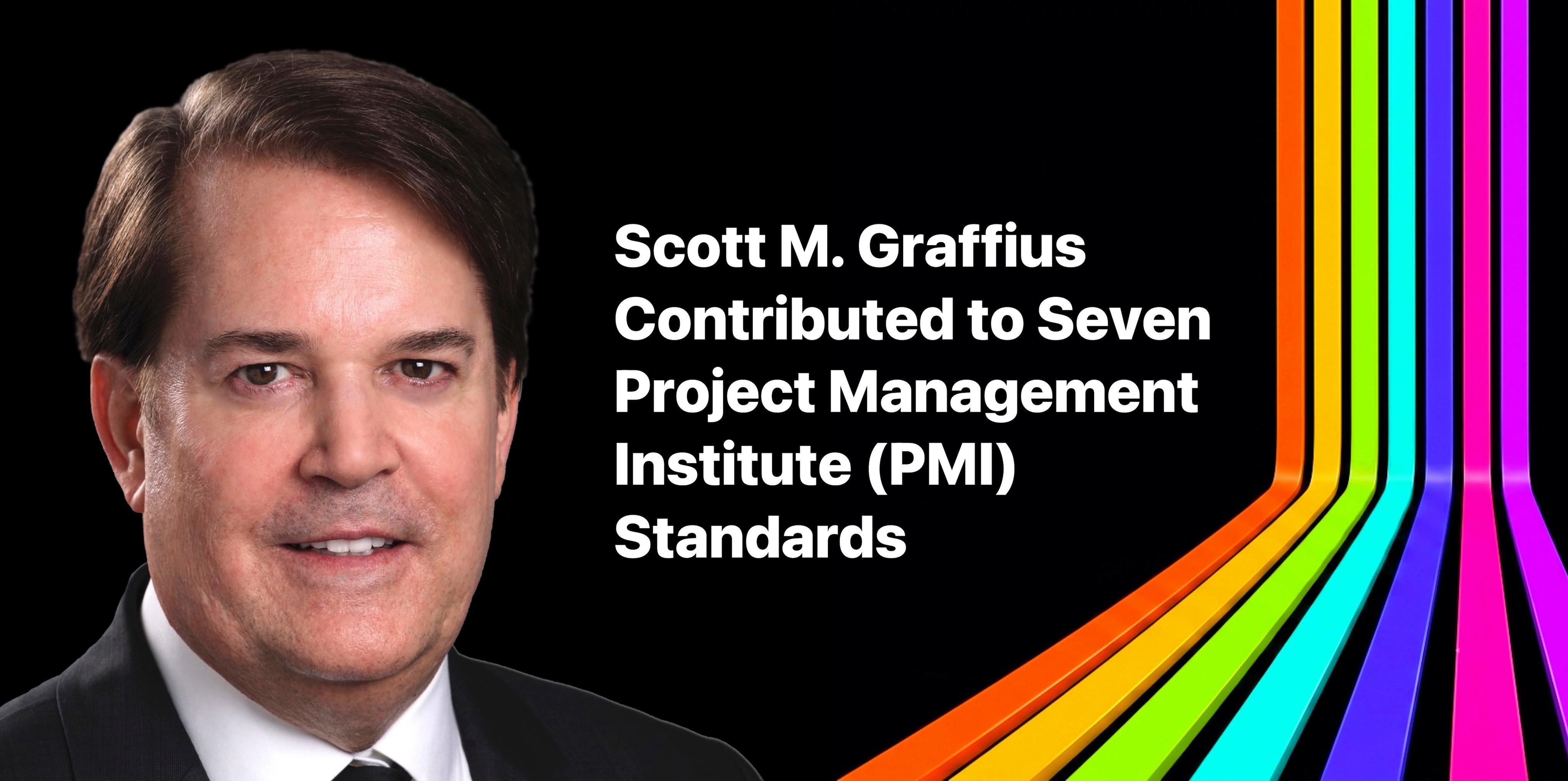
Professional standards are the foundation of a discipline. I'm proud to have given back to the profession by contributing to seven standards and guides from the Project Management Institute (PMI).
Details: https://scottgraffius.com/blog/files/scott-m-graffius-contributed-to-7-pmi-standards.html
#Agile #ProjectManagement #AI #PMBOK #Leadership
![[?]](https://tomsgedankenblog.social/wp-content/uploads/2022/10/cropped-wp-1666202986272-4.jpg)
#LINKSDERWOCHE | 27/2026: Produktivität, Lean und Agile

PRODUKTIVITÄT
Vorsicht und Übervorsicht | Wenn zu viel Vorsicht zu viel des Guten wird …
Wie so oft im Leben ist das richtige Maß entscheidend. Zu viel vom einen, zu wenig vom anderen – oder umgekehrt – und es geht schief. Das richtige Maß zu bestimmen, ist die Kunst – und genau das fällt oft sehr schwer. So ist es auch mit der Vorsicht. Zu wenig ist fahrlässig, zu viel führt zu verpassten Chancen. Ein Übermaß an Vorsicht bremst uns aus und kann im Extremfall sogar zum Stillstand führen. Leider liefert Dan Rockwell keine Anleitung zur Bestimmung des richtigen Maßes an Vorsicht. Es wäre zu schön gewesen. Er legt jedoch ausführlich dar, weshalb ein Übermaß an Vorsicht ungesund ist und warum wir Unvollkommenheit ein Stück weit akzeptieren müssen. Hier das richtige Maß zu bestimmen, erfordert Erfahrung und Fingerspitzengefühl. Nach wie vor. Es wird nicht einfacher.
https://leadershipfreak.blog/2026/06/29/the-dangerous-face-of-caution/
Obsidian | Termineinladungen verwalten
Ich muss zugeben, dass ich gar nicht erst auf die Idee gekommen wäre, meine Termine mit Obisidian zu verwalten, wie Thomas Mathoi es tut. Ich nutze dafür nach wie vor lieber einen eigenen Kalender. Sein Beitrag zur Organisation von Termineinladungen im Markdown-Format von Obsidian hat mich allerdings neugierig gemacht. Ich sollte es mal ausprobieren – wer weiß, vielleicht komme ich ja auf den Geschmack.
https://www.mathoi.at/2026/07/01/obsidian-kaizen-termineinladungen-im-markdown-kalender/
Nextcloud | Artikelserie über Nextcloud auf dem Homeserver
Ich denke schon länger über Nextcloud nach. Allerdings eher als Lösung für das Familiennetzwerk. Was mich allerdings nach wie vor abschreckt, ist das gesamte Wartungsgeschäft und natürlich auch die Herausforderungen bei der Installation. Deshalb bin ich auf Herbert Hertentramph aufmerksam geworden, der eine neue Blogserie zu genau diesem Thema gestartet hat. Wer ähnliche Gedanken hat, findet hier den ersten Beitrag der Serie zu Nextcloud für kleine Homeserver.
https://digital-cleaning.de/index.php/sorgenfreie-nextcloud-fur-den-homeserver/
Bücher | Buchtipps von Michael Schenkel
Eigentlich lese ich gerne, aber mir fehlt zunehmend die Zeit und Energie, um den permanenten Berg ungelesener Bücher abzuarbeiten. Und was macht Michael Schenkel? Er liefert mir wieder Inspirationen für meine Leseliste. Furchtbar! Wie soll ich der Versuchung widerstehen, noch mehr Bücher zu horten, die ich lesen will? Wer gerade auf der Suche ist, was er im Sommerurlaub lesen könnte, wird hier eventuell fündig. 😉
https://t2informatik.de/blog/oh-interessante-buecher/
Konsumparadox | Wissen allein reicht nicht, anwenden muss man es auch
Passend zum Thema „riesige Bücherstapel ungelesener Bücher” hat Ivan Blatter eine Podcastfolge veröffentlicht, bei der ich mich ertappt fühle. Ich bin ein typischer Jäger und Sammler, wenn es um Informationen und Wissen geht. Aber leider ist es schwierig, all das Wissen auch tatsächlich konsequent umzusetzen. Genau darauf zielt Ivan ab. Er zeigt fünf Strategien, mit denen es gelingt, das verfügbare Wissen konkret umzusetzen. Es ist eigentlich einfach, aber nicht trivial. Wenn es aber gelingt, ist man ein ordentliches Stück weiter.
https://share.transistor.fm/s/91396e4e
LEAN
Andon | Der Mythos von Linienstopp
Mark Graban macht auf einen Mythos aufmerksam, der sich um Andon im TPS rankt. Einem Mythos, dem auch ich selbst auf den Leim gegangen bin. Das Schöne ist: Ich habe jetzt wieder etwas dazugelernt. Wenn das Signal gegeben wird, wird das Band nicht stillgelegt, sondern es wird zunächst Hilfe angefordert, weil ein Problem aufgetreten ist, das allein nicht lösbar ist – das Band läuft zunächst weiter. Spannend dabei fand ich schon immer, dass Probleme sichtbar gemacht werden, um die Ursache zu erforschen und das Problem an der Wurzel zu packen. Das würde ich mir deutlich öfter wünschen. Leider ist es immer noch viel zu oft der Fall, dass derjenige, der auf das Problem hinweist, schlimmer angesehen wird als derjenige, der das Problem ignoriert und einfach weitermacht, als wäre nichts. Meine persönliche Erkenntnis: Mit dem Andon-Licht wird die Linie nicht automatisch gestoppt, sondern erst einmal „Hilfe” angefordert.
https://www.leanblog.org/2026/06/andon-cord-stop-the-line-myth/
AGILE
Cognitive Biases | Artikelserie über Auswirkungen auf Teams
Cognitive Biases treffen nicht nur Individuen, sondern schlagen auch in Teams unerbittlich zu. Nicht, weil wir doof wären. Oft ganz im Gegenteil. Und das ist ja das Gemeine an diesen Biases. Wie sie sich im Team auswirken, wie wir sie erkennen und hoffentlich auch auflösen können, darüber hat Till Weinert eine Blogserie gestartet, deren erster Teil im Teamworkblog erschienen ist. Er klingt recht interessant. Ich nehme an, die Folgebeiträge werden nicht minder interessant sein. Mal sehen.
https://www.teamworkblog.de/2026/06/wenn-das-gehirn-lugt-cognitive-biases.html
Sprint Commitment | Es bezieht sich auf das Ziel, nicht auf das Backlog
Auch Chuck Suscheck beschäftigt sich mit kognitiven Fallen, stellt dabei jedoch einen direkten Bezug zu Scrum-Teams her und thematisiert ein Phänomen im Zusammenhang mit dem Sprint Commitment: Die Weigerung, das Sprint-Backlog im Sprint an neue Erkenntnisse anzupassen. Das finde ich auch immer wieder interessant. Insbesondere, wenn das Sprintziel gar nicht zur Debatte steht, sondern nur die Frage, wie es am besten erreicht werden kann. Und genau das ist es doch, was Agilität ausmacht. Wir erkennen, dass unser ursprünglicher Plan, das Ziel zu erreichen, nicht so funktioniert wie erwartet, und passen den Plan entsprechend an. Suscheck vermutet ein Missverständnis hinter diesem Verhalten. Eines, das sich mit etwas Aufklärungsarbeit auflösen lässt.
https://www.scrum.org/resources/blog/cognitive-trap-sprint-commitments-misunderstanding
Skalierte Silos | Wenn Silos keinen echten Mehrwert erzeugen
Was mir in skalierten Umfeldern immer wieder auffällt: Silos werden nicht aufgelöst, sondern zu „agilen Silos” umfunktioniert. Echte crossfunktionale Zusammenarbeit? Schwierig. Wenn mehrere POs dann beständig untereinander aushandeln müssen, wie etwas gemacht wird, manifestieren sich die Silos wieder und die Transaktionskosten gehen rasant nach oben. Daher kommt auch die Idee, dass ein Product Owner (PO) für mehrere Teams aktiv wird. Das sind Teams, die crossfunktional geschnitten sind und an einem gemeinsamen Wertstrom arbeiten. Das klingt bei Mary Iqbal leicht, ist in der Praxis allerdings durchaus eine Herausforderung, weil das umgebende System nach wie vor in etablierte Kleinkönigreiche unterteilt ist, deren Herrscher ihre Einflusssphären vehement verteidigen.
https://www.scrum.org/resources/blog/silos-are-bane-value-delivery
Entscheidungserschöpfung | Woran Piorisierung oft scheitert
Ralph Jocham versucht zu ergründen, weshalb gutes Priorisieren so schwerfällt, und kommt zu einer interessanten These. Es liegt oft nicht am Nicht-Wollen oder Nicht-Können im engeren Sinne, sondern ist das Ergebnis einer „Übermüdung”. Er nähert sich dem Thema zunächst aus individueller Perspektive und zeigt auf, dass eine übermüdete Organisation Entscheidungen aufschiebt, wenn die Energie zu gering ist, ähnlich wie ein übermüdetes Individuum. Sein Fazit lautet, Entscheidungen dann zu treffen, wenn der Geist noch fit ist, und die Anzahl der notwendigen Entscheidungen konsequent gering zu halten. Das klingt fast wie ein Henne-Ei-Problem. Auf jeden Fall ein Impuls, über den es sich lohnt nachzudenken.
Metrik vs. Wirkung | Wieder mehr Fokus auf Wirkung legen
Vero Levesque macht auf etwas aufmerksam, das auch mir immer wieder auffällt: Metriken sind oft wichtiger als Wirksamkeit. Insbesondere einfache und leicht zu ermittelnde Metriken rücken in den Fokus und führen zu Effizienzneurosen, bei denen die eigentliche Wirkung nahezu komplett aus dem Blick gerät, Wirkzusammenhänge ignoriert und der Blick fürs große Ganze komplett vergessen wird. Zwar bezieht sie sich in ihrem Blogartikel auf die öffentliche Verwaltung, doch lässt sich das selbst in so vielen Organisationen außerhalb des öffentlichen Diensts mit der gleichen fatalen Auswirkung beobachten.
https://agile-verwaltung.org/2026/07/02/metrik-vs-wirkung-aktueller-spielstand-40/
Hilfslose Teams | Wie Hilfe zur Entmüdigung führen kann
Der Blogartikel von Steven Denning deckt einen wunden Punkt vieler Teams und Organisationen auf: Zu viel Hilfe schadet letztlich. Denn daraus entstehen neue Abhängigkeiten, die in Hilflosigkeit münden. Eine Hilflosigkeit, die entsteht, wenn eines Tages niemand mehr da ist, der sich kümmert, bevor ein Problem auftritt. Probleme lösen muss man üben. Dazu braucht es Herausforderungen. Dumm nur, wenn es diese Herausforderungen nie gibt, weil andere sie längst gelöst haben. Ein Team kann so keine Kompetenz aufbauen. Es wird von den Personen abhängig, die das immer für sie – gut meinend – getan haben. Und da liegt der Fehler. Der Fehler liegt darin, dass die Scrum Master:innen und Agile Coaches plötzlich nicht mehr da sind. Das Team kann das Problem nicht allein lösen. Es hat es nie gelernt.
https://www.scrum.org/resources/blog/you-helped-your-teams-helplessness
Design Thinking | Ein Tool fürs Prototypentesting
Lars Richter hat mir heute einen Werkzeugtipp mit auf den Weg gegeben: das Testing Sheet. Es handelt sich um ein kleines Canvas für die Vorbereitung des Prototypentests. Nichts Überraschendes. Und doch hocheffektiv. Und genau das macht es so interessant. Einfache, aber hocheffektive und effiziente Werkzeuge, die nicht trivial sind, sind genau das richtige Handwerkszeug für den Arbeitsalltag. Und das sehe ich hier.
https://scamper.blog/testing-sheet
#Agile #Lean #Produktivität #Zeitmanagement
![[?]](https://mastodon.moscow/system/accounts/avatars/116/397/673/048/057/419/original/d339a220968ac595.png)
Тимлиды команд в RetroPoint 👥
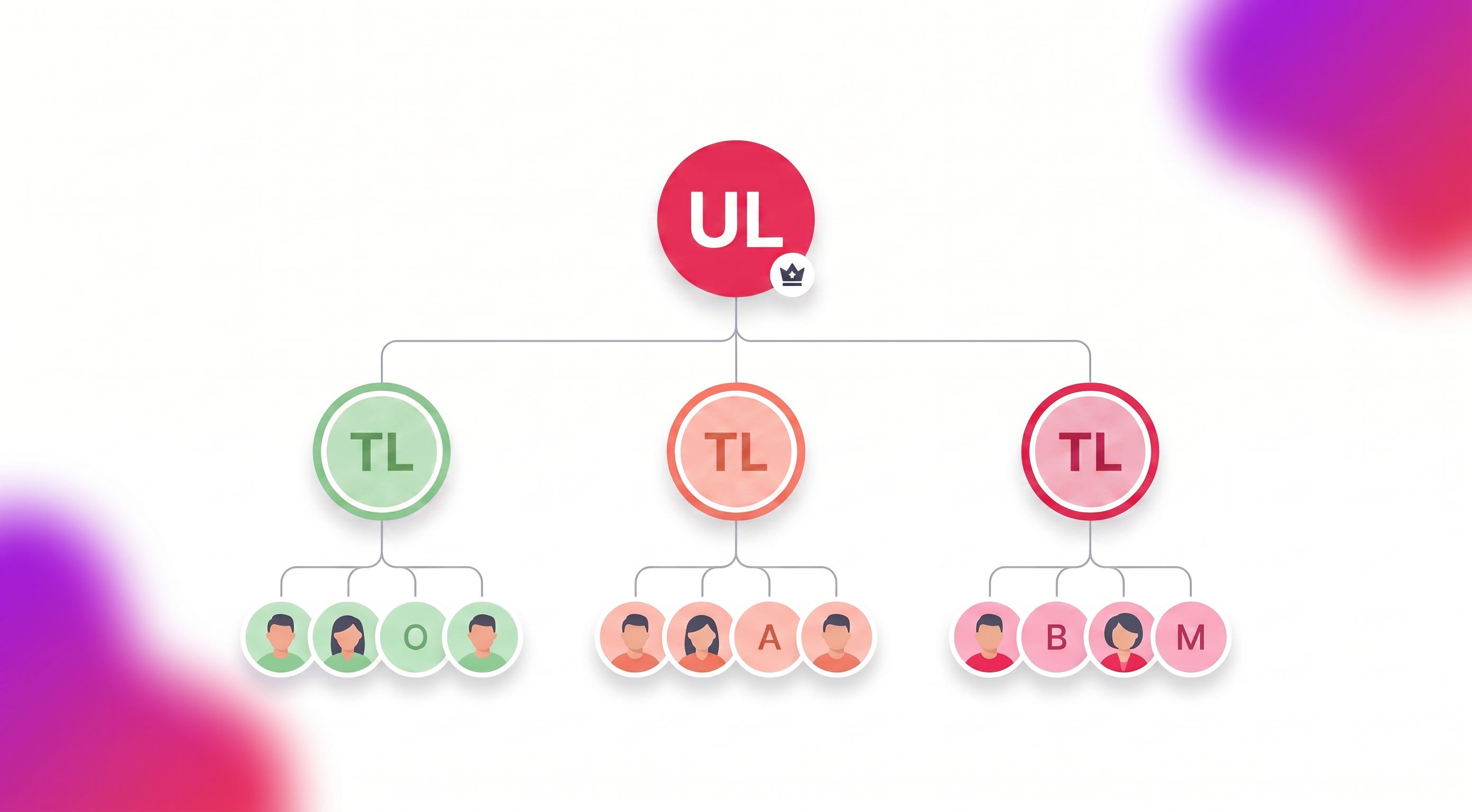
Когда в кабинете несколько групп, всё 1‑2‑1, Performance Review и OKR не должно висеть только на владельце. Теперь на тарифах «Направление» и «Бизнес» можно назначить тимлида — без доплаты поверх подписки ✨
Что умеет тимлид — проводит 1‑2‑1 с участниками своей команды 💬
— ведёт Performance Review и OKR 🎯
— работает в Planning Poker по тем же правилам аддонов, что и владелец
Что остаётся у владельца — надзор над review и целями: можно подключиться и завершить цикл вместо тимлида
— 1‑2‑1 с сотрудниками команды, где есть тимлид, приватны 🔒 — владелец их не видит
— отдельная системная команда «Team Leads» для регулярных встреч с тимлидами
Как включить
Профиль → Команды → Настройки → блок «Тимлид команды». Назначьте участника или пригласите по email.
Подробности в новости 👉 https://retropoint.ru/news/team-leads-launch
#RetroPoint #тимлид #1to1 #управлениекомандой #retrospective #ретроспектива #agile #scrum #kanban #teamlead #it #itleads #teamleadthings #команда #retroonline #просторетро #oneonone #one2one #pokerplanning #ретро #agile #scrum #realtime #performancereview #okr #команднаяработа
Ansible for DevOps by Jeff Geerling is on sale on Leanpub! Its suggested price is $9.99; get it for $6.99 with this coupon: https://leanpub.com/ansible-for-devops/c/LeanPublishingDaily20260702 #agile #software #startups #ansible #devops #cloud_computing
„Wir arbeiten agil." und im nächsten Satz will der Stakeholder alle Features, den festen Termin und das Budget vorab festgenagelt haben.
Das ist nicht agil. Das ist Wasserfall mit Daily. Kein Framework rettet ein Projekt, dessen Stakeholder nach Output statt Outcome fragt.
#agile #Leadership #scrum #kanban

Alt...
WASSERFALL MIT DAILY
Explore https://ScottGraffius.com for unique resources and actionable insights on #AI, #Agile, #Teamwork, & more. Examples:
♦ Quantum Computing, Advanced AI, and Exotic Team Dynamics - https://scottgraffius.com/blog/files/quantum-computing-advanced-ai-and-rise-of-exotic-team-dynamics.html
♦ Scrum - https://scottgraffius.com/blog/files/scrum-is-not-just-for-coding.html
♦ More - https://scottgraffius.com/articles-index.html

"Agilität ist tot." und was ist die Alternative? Zurück zum Wasserfall?
Nicht die Agilität ist tot. Ein Zerrbild ist tot:
- Fake Agile: Scrum ohne Verständnis der Basis
- Dark Agile: agiler Deckmantel, drunter reines Top-down
- Kommerzialisierung: Zertifikatsflut, überladene Komplexität
Das Label ist verbrannt. Das Handwerk fängt gerade erst an: Iteration + Feedback.
https://no-bullshit-agile.de/nbak08-warum-agilitaet-nicht-tot-ist.html
#Agile #Agilität #Scrum #Kanban #AgilesArbeiten

Alt...
NBAK08: Warum Agilität nicht tot ist
Dew Drop - July 2, 2026 (#4703)
Top Links
Visual Studio June Update – Track Your Usage, Trust Your Tools (Mark Downie)
Building a Windows Tray App by combining Microsoft.UI.Reactor and a Worker Project (Morten Nielsen)
Visual Studio Code 1.128 (Insiders) (Visual Studio Code Team)
You're using Windows Terminal w…
Dew Drop - July 3, 2026 (#4704)
Top Links
Microsoft Frontier Company: AI engineering that amplifies and protects your intelligence (Judson Althoff)
Claude in Microsoft Foundry is now generally available (Steve Sweetman)
The Install Funnel, Part 1: Make Your Icon Stand Out (Matt Goldman)
JetBrains Toolbox App 3.…
Deliver What Matters When It Matters by Ryan Kent is on sale on Leanpub! Its suggested price is $25.99; get it for $8.49 with this coupon: https://leanpub.com/deliverwhatmatterswhenitmatters/c/LeanpubWeeklySale20260630 #product_management #agile #leadership_agile
![[?]](https://media.hachyderm.io/accounts/avatars/109/381/963/540/469/664/original/8a8562b0c10666f4.jpg)
Dew Drop Weekly Newsletter 490 - Week Ending July 3, 2026
#dewdrop #newsletter #aspnetcore #azure #javascript #css #cpp #xaml #windowsdev #dotnet #csharp #ai #mcp #github #githubcopilot #m365 #python #devops #agile #IoT #appdev #podcasts #sqlserver #data #powershell #cli
Vielleicht mögen die, die NBA Kompakt bisher gehört haben, mal sagen, wie sie das Format "5 Minuten kompakt" und auch fertige Reihenfolge mit aufeinander bauenden Themen so finden? Feedback is immer gut! Danke!
Die kommende Folge 8 "Warum Agilität nicht tot ist" schließt den ersten Teil "Fundament" von NBA Kompakt ab. Danach steigen wir in die Work-Feedback Loop ein.
NBA Kompakt ist mein Podcast Format in dem ich in einer sinnvollen Reihenfolge in jeweils 5-Minuten-Folgen kompakt Aspekte des agilen Arbeitens bespreche.
Kompletter Fahrplan für alle Folgen: https://no-bullshit-agile.de/nba-kompakt-alle-folgen.html
"Wann ist das Projekt fertig?" Die Frage klingt vernünftig. Ist sie aber nicht.
Niemand kann sie ehrlich beantworten, weil das Team erst während des Projekts lernt, was das Projekt überhaupt ist. Jeder fixe Komplett-Plan tut nur so, als wäre die Zukunft schon bekannt. Plan klein, liefer früh, lass Feedback den Rest planen.
#Projektmanagement #agile #scrum #kanban

Alt...
WANN FERTIG?
IST DIE FALSCHE FRAGE