Search results for tag #linux
![[?]](https://snac.tesio.it/giacomo/s/ada2e9f46fca746091009b2baffd00cc.png)
Basically, you need a #Plan9 to build Plan 9.
#9front provides you with all development tools you need (but maybe not those you are used to).
If you look for a unix kernel to play with, it's not.
It's very different, even just because it has a coherent architecture that evolves as a whole, instead of being a composition of independent projects like any #Linux or #BSD
But if you want a nice, minimal, self-contained and usable kernel (and operating system), it is.
![[?]](https://cdn.masto.host/floss/accounts/avatars/000/143/204/original/94403efd0b47ed2b.jpg)
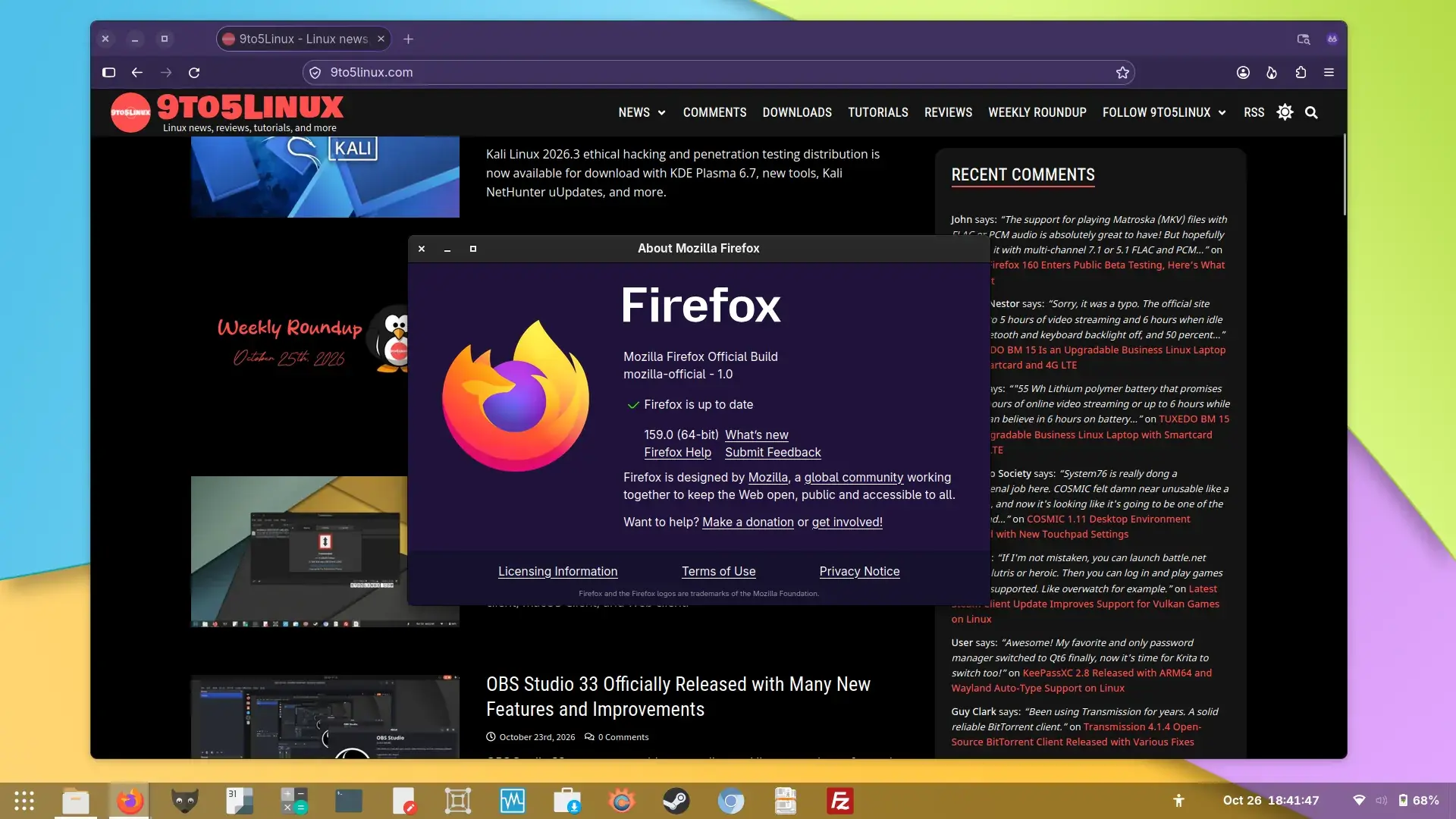
#Mozilla #Firefox 159 Is Now Available for Download, Here’s What’s New https://9to5linux.com/mozilla-firefox-159-is-now-available-for-download-heres-whats-new
#OpenSource #FreeSoftware #FOSS #Linux
Alt...
A screenshot of Mozilla Firefox 159 showing the main window while browsing the 9to5linux.com website and the About Mozilla Firefox dialog.
![[?]](https://files.mastodon.social/accounts/avatars/000/396/350/original/707d3beea6076986.png)
Latest 𝗩𝗮𝗹𝘂𝗮𝗯𝗹𝗲 𝗡𝗲𝘄𝘀 - 𝟮𝟬𝟮𝟲/𝟭𝟬/𝟮𝟲 (Valuable News - 2026/10/26) available.
https://vermaden.wordpress.com/2026/10/26/valuable-news-2026-10-26/
Past releases: https://vermaden.wordpress.com/news/
#verblog #vernews #news #bsd #freebsd #openbsd #netbsd #linux #unix #zfs #opnsense #ghostbsd #solaris #vermadenday
![[?]](https://media.bsd.cafe/bsdmmedia01/accounts/avatars/110/753/691/400/011/788/original/7decba5a2514dda4.png)
Latest 𝗩𝗮𝗹𝘂𝗮𝗯𝗹𝗲 𝗡𝗲𝘄𝘀 - 𝟮𝟬𝟮𝟲/𝟭𝟬/𝟮𝟲 (Valuable News - 2026/10/26) available.
https://vermaden.wordpress.com/2026/10/26/valuable-news-2026-10-26/
Past releases: https://vermaden.wordpress.com/news/
#verblog #vernews #news #bsd #freebsd #openbsd #netbsd #linux #unix #zfs #opnsense #ghostbsd #solaris #vermadenday
![[?]](https://eigenmagic.net/system/accounts/avatars/110/160/517/822/478/672/original/9c47b90ff563789d.jpg)
![[?]](https://assets.merveilles.town/accounts/avatars/110/618/037/889/897/311/original/7685c244dff08111.png)
BOMBSHELL TAPE STUNS THE PRESIDENCY
#content_review #omarchy #linux #runbsd #freebsd #comic #art #fediverse #programming #ai #neverslop
Alt...
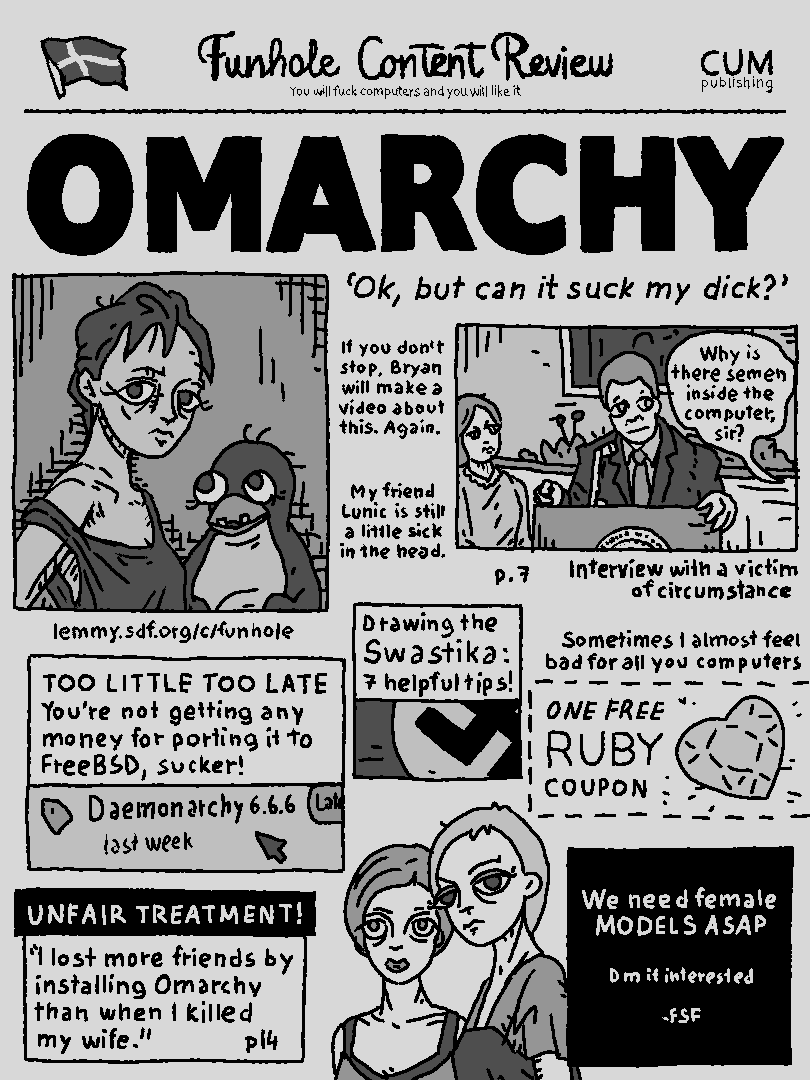
Funhole Content Review
OMARCHY
'ok, but can it suck my dick?'
TOO LITTLE TOO LATE: you're not getting any money for porting it to freebsd, sucker!
UNFAIR TREATMENT: I lost more friends by installing omarchy than when i killed my wife.
If you dont stop, bryan is going to make a video about this. again.
my friend lunic is still a little sick in the head.
drawing the swastika: 7 helpful tips
Interview with a victim of circumstance
ONE FREE RUBY COUPON
We need female models asap. dm if interested -FSF
![[?]](https://media.beige.party/accounts/avatars/115/957/508/953/244/678/original/b5f143d453624b1f.webp)
@stefano I thought, silently, of many things when I moved from the Cafe.
A single-user instance was amongst my thoughts. It's a possibility, however I can't imagine it becoming a priority.
I'm more interested in spending my "IT" time on stuff that's directly related, or adjacent, to FreeBSD.
![[?]](https://files.mastodon.social/accounts/avatars/114/550/827/018/594/020/original/a53cab638decd941.jpg)
5/n Of course if there is a way to upgrade the system, OS, client software over major release updates that is "trivial". I understand is less of a problem if the underlying OS is of the rolling update type. So might this be a reason to choose a #Linux kernel based OS over say NetBSD?
As with many of my projects both computer related and DIY I end up with dependencies.
So if I want to use NetBSD for this project then this I need to get properly familar with NetBSD first.
![[?]](https://media.bsd.network/accounts/avatars/000/006/949/original/9592eac6e5018e39.png)

@argv_minus_one good thing about #NetBSD or BSDs in general is it is hard for big techs to control it due to side effects of it's permissive license choice. #Linux for better or worse has already been taken over by big techs. No matter how anyone tries to promote Gpl advantages it doesn't help.
Why would the bottom address of a v6 /64 route to loopback? There's literally no entries in the routing table for interface lo.

Alt...
# ip route get fd8c:3969:1494::
anycast fd8c:3969:1494:: from :: dev lo table local proto kernel src fd8c:3969:1494:0:fb29:9db1:ddbc:94db metric 0 pref medium
# ip route get fd8c:3969:1494::1
fd8c:3969:1494::1 from :: dev eno1 proto ra src fd8c:3969:1494:0:fb29:9db1:ddbc:94db metric 1024 pref medium
# ip -6 route show
2403:581e:ab78::/64 dev eno1 proto ra metric 1024 expires 86345sec pref medium
fd8c:3969:1494::/64 dev eno1 proto ra metric 1024 expires 86345sec pref medium
fda6:3c52:d12b:1::/80 via 2403:581e:ab78:0:48a2:b796:c065:dd46 dev eno1 proto kernel metric 1024 pref medium
fda6:3c52:d12b:1:1::/80 via 2403:581e:ab78:0:df67:ffa6:45bc:8557 dev eno1 proto kernel metric 1024 pref medium
fda6:3c52:d12b:1:2::/80 via 2403:581e:ab78:0:fe78:6929:cb86:5a7c dev eno1 proto kernel metric 1024 pref medium
fda6:3c52:d12b:1:3::/80 via fd8c:3969:1494:0:cb78:b332:ff40:137f dev eno1 proto kernel metric 1024 pref medium
fda6:3c52:d12b:1:4::/80 via 2403:581e:ab78:0:2b8:5903:8164:7aa7 dev eno1 proto kernel metric 1024 pref medium
fda6:3c52:d12b:1:5::b180 dev cilium_host proto kernel metric 256 pref medium
fda6:3c52:d12b:1:5::/80 dev cilium_host proto kernel src fda6:3c52:d12b:1:5::b180 metric 1024 pref medium
fe80::/64 dev eno1 proto kernel metric 256 pref medium
fe80::/64 dev cilium_net proto kernel metric 256 pref medium
fe80::/64 dev lxc_health proto kernel metric 256 pref medium
fe80::/64 dev lxcd7dc4287ae9e proto kernel metric 256 pref medium
...
![[?]](https://media.bsd.cafe/bsdmmedia01/accounts/avatars/112/399/385/307/020/794/original/44f40a8fe42e74e5.png)
@jmcunx @argv_minus_one Even if Debian hadn't voted for AI, all of the freedesktop projects and the Linux kernel make heavy use of AI. There's no way to use Linux without using AI code. #linux
![[?]](https://media.infosec.space/infosec-space/accounts/avatars/113/605/038/999/034/961/original/d2ed8d9ebc60820e.jpeg)


@clf yes, sadly, which is why i like others have been exploring possible escape routes...
- #haiku tested, & i love it, but it's not yet able to do what i need
- #OpenIndiana researched, but noooooooooooo
- #GhostBSD tested, looked a great prospect with its old MATE pre-slop DE, til i learned of its dangerous security flaw viz apparently running the desktop as root
- #OpenBSD currently in early test phase atm
- #NetBSD - still to test
- #FreeBSD - still to test
🥺
#DropbearPooterising #Linux #LinuxWomen #FOSS
#FuckGenerativeAI #FuckSlopbots #AntiAI #NoAI #EscapeFromLinux ?
![[?]](https://media.cache.ursal.zone/accounts/avatars/000/044/781/original/56919b3b5bfad09c.png)


I know most people are aware on how Linux can save old hardware, but here's to the folks that like to complain that GNOME is "bloated" and "runs poorly":
Today I salvaged this old laptop from going to the junk, added an old 4GB DDR3 RAM stick I had, popped the GNOME OS Nightly USB I had just to know what the specs were on this thing, and well... the screen is dying a slow and painful death but damn, this runs really, really well for a 13 year old chip that was already close to e-waste by the time it was produced and a just as old and slow HDD.
I obviously won't keep using it as a desktop due to the screen, but I'm baffled at the optimization work that is going on these days that enables this to be actully smooth and usable on hardware this bad.

Alt...
GNOME OS Nightly running on a 13 year old Lenovo G405 laptop with a faulty screen.


 🍵
🍵 
![[?]](https://social.akselmo.dev/fileserver/017XGKG5790GWEA0R11EB747ME/attachment/original/01M0R7AW2NZKCCXDC9W7P6MD3Q.png)
I have made a survey about showing icons on your desktop and how it should behave when screen changes. I would hope as many replies as possible! You don't need to use KDE Plasma to reply to this survey! It should take around 5 to 10 minutes.
And if you want to read a bit more about the "why", here's mine and Nates blogpost:
https://akselmo.dev/posts/akademy-2026-desktop-icon-bof/
https://pointieststick.com/2026/10/23/help-shape-the-future-of-desktop-icons/
Thanks!
![[?]](https://snac.bsd.cafe/kaixin/s/cc35d4b8e796c869289176c383aa3da3.png)
![[?]](https://cdn.masto.host/podcastssocial/accounts/avatars/109/307/901/830/278/204/original/6b1da0358364f1fb.jpg)
TuxJam 133 – Make Cuts is out. @mralc, @mcnalu, @thelovebug and @kevie take a look at Android apps: MakeACopy and LibreCuts. Along with a talk about TuxJam Half-Cut and a look ahead to upcoming Podcrawls. Along with the usual mix of #CCmusic
![[?]](https://social.anoxinon.de/system/accounts/avatars/000/079/552/original/231fc6938aaf9353.png)
Taler in Deutschland
Nachdem die GLS-Bank einen Rückzieher gemacht hat, versucht es das Taler-Projekt jetzt mit einem eigenen Finanzinstitut in Bochum, um Taler in Deutschland und Europa anbieten zu können.

 boosted
![[?]](https://cdn.masto.host/floss/accounts/avatars/109/542/395/785/831/941/original/e34012f195796f06.gif)
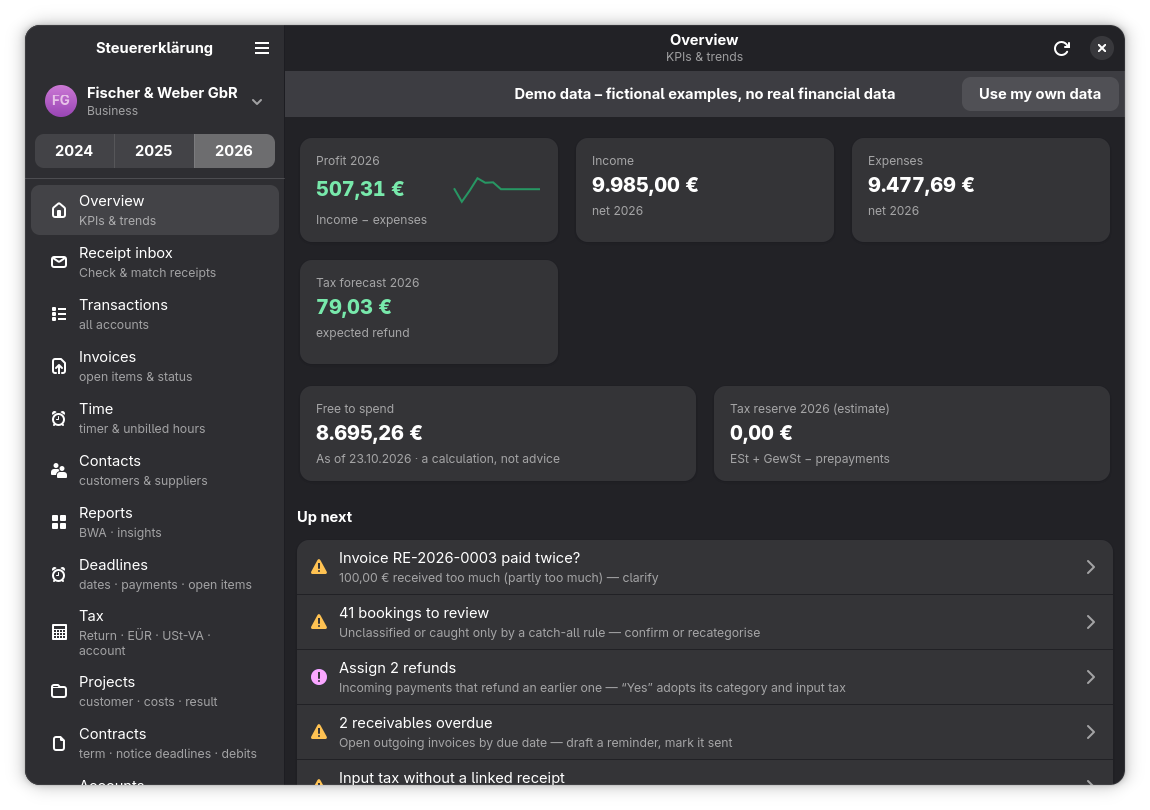
I'm happy to introduce #Steuererklärung: a bookkeeping app for #Linux, #Windows and #Mac with an optional module for German tax declarations with #ELSTER. It's built natively for #GNOME with #GTK / #Adwaita on #GJS and is #OpenSource 🎉
Germany's annual income tax return has long had no native Linux desktop application. This app aims to change that 🤓
Feedback, feature wishes and bug reports are very welcome!
Available for Windows, Mac and Linux at https://jumplink.eu/steuererklaerung/
Alt...
App overview page with sample data
![[?]](https://assets.chaos.social/accounts/avatars/109/341/210/828/681/622/original/6c12a2d7fbaa1ba9.jpeg)
@jolla @GrapheneOS nice! After enabling Developer Mode I can now use the build in terminal to cat the storeman install log. Apparently a linking error!
nothing provides 'libsailfishsecrets.so.0()(64bit)'
I stand corrected. This absolutely is a #linux experience... 😐
![[?]](https://media.infosec.exchange/infosec.exchange/accounts/avatars/110/560/511/618/170/134/original/4f33ba36608d1311.png)
The Register: SparkyOS: Lightweight general-purpose Arch, on a pendrive https://www.theregister.com/os-platforms/2026/10/23/sparkyos-lightweight-general-purpose-arch-on-a-pendrive/5304984 @theregister @lproven #Linux
![[?]](https://cdn.masto.host/socialdevteamsat/accounts/avatars/109/277/942/248/141/116/original/6dc6ff7d8e37b8a9.jpg)
![[?]](https://media.bsd.cafe/bsdmmedia01/accounts/avatars/117/006/199/875/207/359/original/dfd5a542d6917324.jpeg)
Switching to @netbsd from Linux has been one of the most enjoyable and rewarding things I have done in the tech world in years.
All of it. The community, the software, reading blogs again to get something to work, joining forums, joining IRC channels. Absolutely all of it.
I'm actually finding joy in tech again.
![[?]](https://cdn.masto.host/graphicssocial/accounts/avatars/110/854/990/838/032/375/original/9cfb5f3bbd877b4f.png)
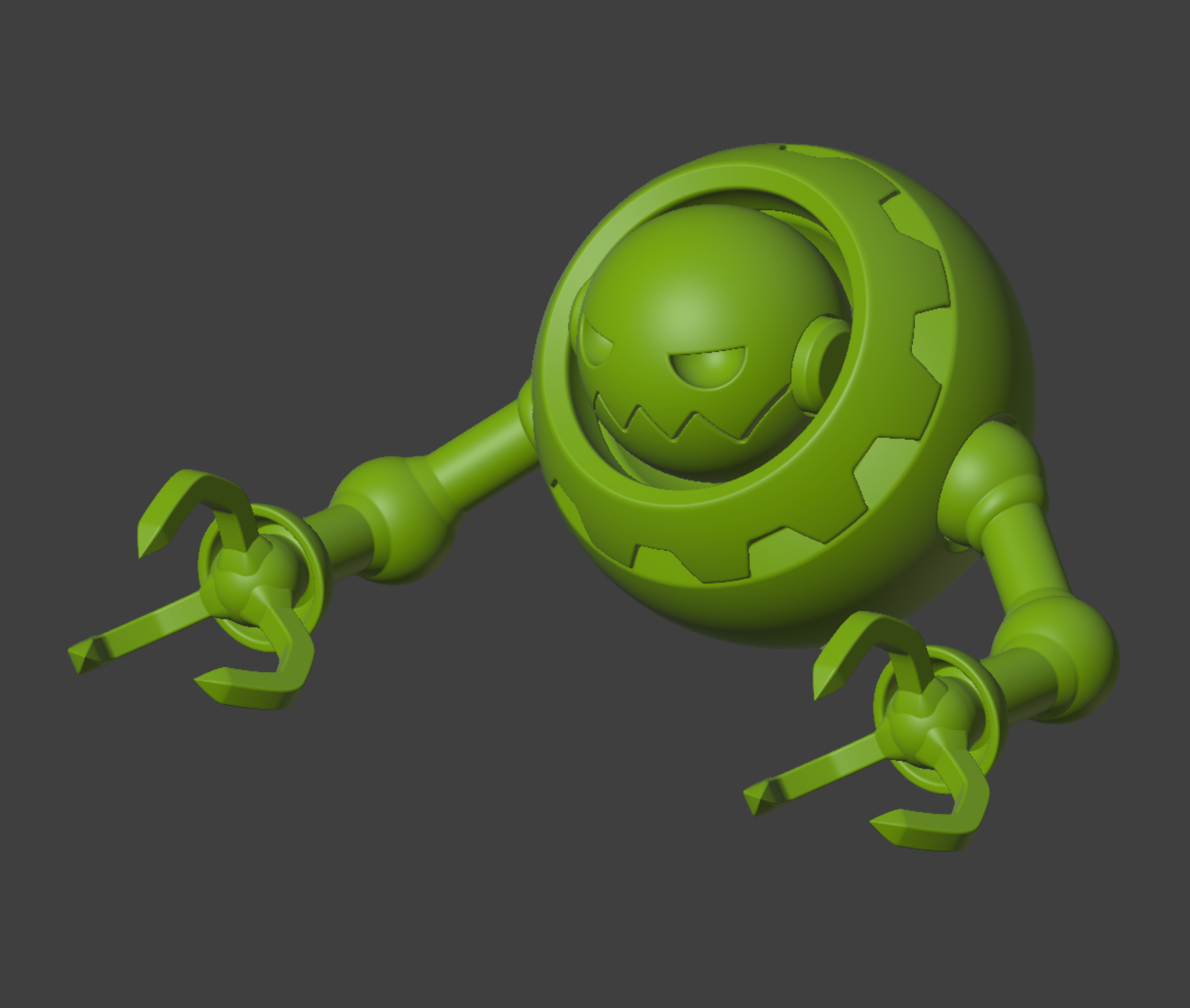
WIP of a Halloween drone bot I'm modeling while beta-testing the SDF toolset in an upcoming big update of the Speedsculpt Blender add-on.
#SDF #3D #3DModeling #sculpture #3DRendering #CGI #graphics #editor #app #apps #tools #software #tech #technology #Mac #macOS #linux #windows #Blender #Blender3D #B3D #CharacterDesign #design #artwork #3DArt #illustration #art #artist #arts #arte #NoAI #3D #DigitalArt #OriginalArt #ArtLovers #MastoArt #FediArt #MastodonArt #CreativeToots #ArtistsOnMastodon
Alt...
Work in progress impression of a Halloween-themed drone robot 3D model.
![[?]](https://social-cdn.vivaldi.net/system/accounts/avatars/109/285/647/274/948/175/original/e525f028371d329d.jpeg)
For a long time we have made our selves gradually more and more dependent on Big Tech. This applies when it comes to operating system, to browsers, to various services, to storage and now when it comes to AI.
More and more are realizing this was and is wrong.
You can take the first steps to be independent as a person or company. Obviously, given that you are here, you have already taken some steps. Here are some suggestions:
1. Switch browser... to Vivaldi. :)
2. Switch desktop OS. Personally I have switched to Linux. Currently running Kubuntu, Ubuntu and Zorin on different computers.
3. Switch mail service. Proton and Fastmail are good services, but there are others. Choose one that allows use of a mail client.
4. Switch calendar service. Most mail services also offer a calendar service.
5. Switch office package. Personally I use LibreOffice.
6. Switch Web conferencing software. Personally I use Whereby.
7. Switch search. Startpage, Ecosia, Qwant and DDG are great alternatives.
There are a lot of other great choices. The point is to start taking those steps away from Big Tech and Silicon Valley.
#Windows #Linux #Apple #MacOS #BigTech #Politics #Technology #Vivaldi
![[?]](https://hj.9fs.net/p/s/avatar-dea0df353fcc369128b6bd7ae161bec5.jpg) p » 🌐
p » 🌐
@p@hj.9fs.net
They made the computer speak to divide us! It's time to love each other again!
hj.9fs.net is presenting: THE NEW UNIVERSAL LOVE/HATE AI LOGO! It doesn't matter what side you're on!!!
❤️
#unix_surrealism #neverslop #claude #programming #linux #runbsd #openbsd #netbsd #chatgpt

Alt...
I FREE AI FREE AI FREE AI FREE AI FREE A
![[?]](https://media.norden.social/accounts/avatars/117/194/703/927/011/599/original/6bc00348cd1c60cb.png)
 gebastel [
Tried to compile one of my projects under NetBSD. There was a missing library on the system. But as it turns out i didn't even needed this library. After I removed this import, the code (a rudimentary web server) compiled and ran successfully.
#netbsd #unix #portability #linux #clang
![[?]](https://cdn2.miau.pub/accounts/avatars/111/317/243/097/660/572/original/da690ffb6c692c95.jpeg)
Am I missing something about the Linux kernel going AI positive? In several jurisdictions generated content cannot be copyrighted and must be clearly marked as such, and if not so done causing the entire work to be rendered without copyright. Doesn't this imply that the kernel's GPL license has been effectively nulled and voided by Linus? And if so, since he is not the sole copyright owner, is he not in violation of the GPL?
What am I missing? *Am* I missing something?
![[?]](https://cdn.fosstodon.org/accounts/avatars/110/790/729/555/881/709/original/154f2ce4235a7a7b.jpg)
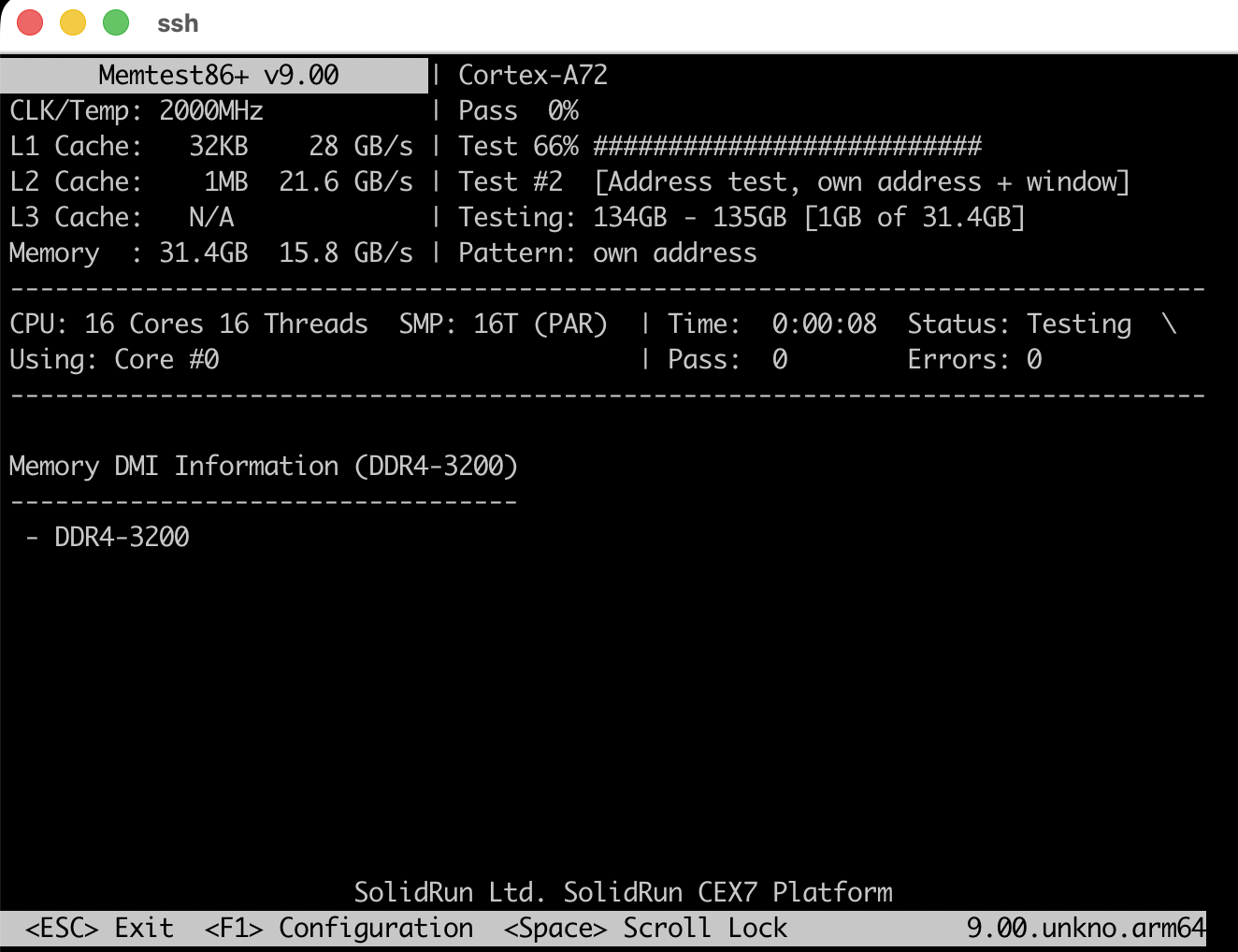
Testing out memtest86's new aarch64 support on the HoneyComb LX2 over the serial console. I think I'll add it to the Installer ISO's GRUB menu once I figure out how to package it. #slackware #linux
Alt...
memtest86 on HoneyComb Lx2
![[?]](https://media.bsd.cafe/bsdmmedia01/accounts/avatars/110/740/169/477/916/693/original/dfa8f1b9beefa405.png)
Tomorrow, Saturday, October 24, 2026, I'll be speaking at Linux Day in Modena, with a talk titled "Beyond Linux: A Journey Through the Open Source Ecosystem."
Will I talk about Linux? Of course. But I'll also talk about BSD, illumos, monocultures, and why we should never forget that there are always other paths worth exploring.
Linux proved that an alternative was possible. It would be a shame if that alternative became, in turn, a new imposition.
Because monocultures are a problem, even in the Open Source world. And because freedom isn't about everyone doing things the same way, but about being able to choose a different way.
Open Source and closed minds don't mix.
https://makeitmodena.comune.modena.it/makeitmodena/eventi/24-ottobre-2026-linux-day
#Linux #LinuxDay #IT #OwnYourData #RunBSD #BSD #FreeBSD #NetBSD #OpenBSD #illumos #LinuxDay2026
Domani, sabato 24 ottobre 2026, sarò al Linux Day di Modena con un intervento dal titolo «Oltre Linux: viaggio nell'ecosistema Open Source».
Parlerò di Linux? Certamente. Ma parlerò anche di BSD, illumos, di monoculture e di quanto sia importante non dimenticare che esistono sempre altre strade.
Linux ha dimostrato che un'alternativa era possibile. Sarebbe un peccato se quell'alternativa diventasse, a sua volta, una nuova imposizione.
Perché le monoculture sono un problema, anche nel mondo Open Source. E perché la libertà non è fare tutti le cose allo stesso modo, ma poter scegliere di farle diversamente.
Open Source e Closed Mind non vanno mai d'accordo.
https://makeitmodena.comune.modena.it/makeitmodena/eventi/24-ottobre-2026-linux-day
#Linux #LinuxDay #IT #OwnYourData #RunBSD #BSD #FreeBSD #NetBSD #OpenBSD #illumos #LinuxDay2026
![[?]](https://files.mastodon.social/accounts/avatars/000/155/698/original/45671137a1f3c90a.png)
![[?]](https://media.mas.to/accounts/avatars/109/316/200/689/242/852/original/c70a65b6916dbc8a.jpg)
![[?]](https://files.mastodon.social/accounts/avatars/117/448/178/506/799/131/original/0105f93335cfc8cd.png)
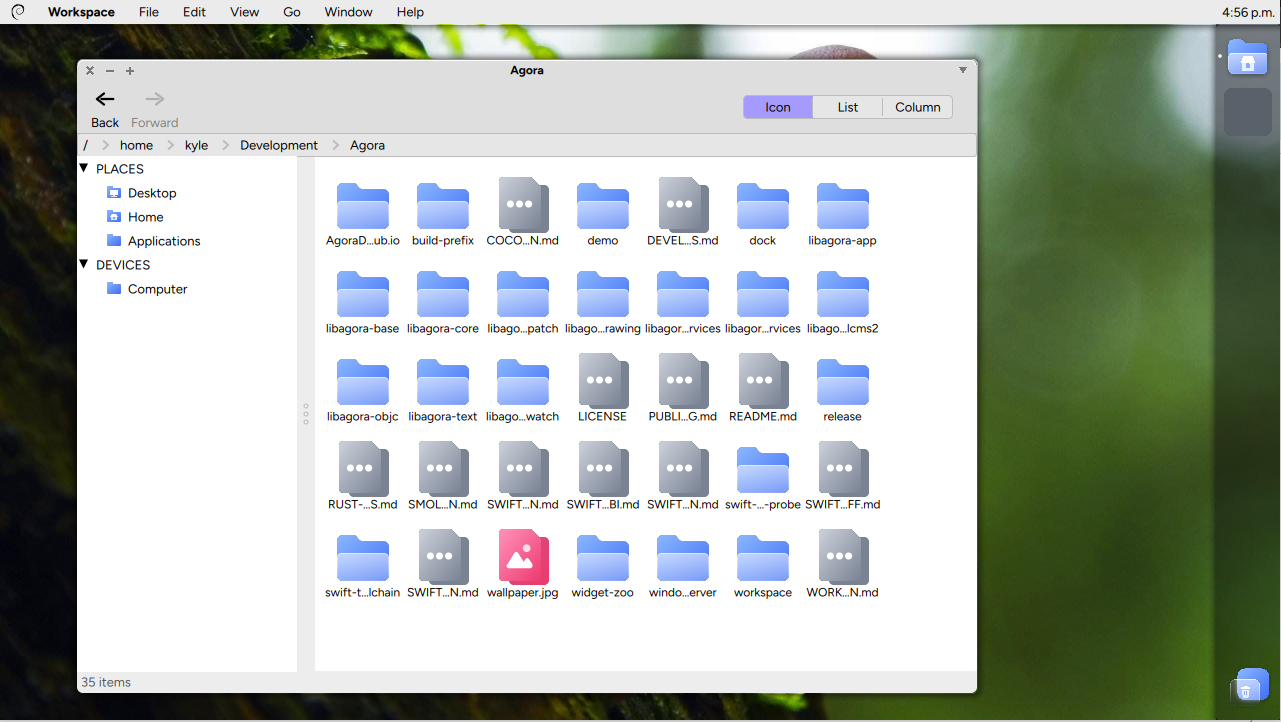
Hey there friendo! Do you like Linux? You do? Great!
Do you ever wish the Linux GUI was as polished and consistent and refined as that on the Mac? You do?! Awesome, I have just the thing for you!
Agora Desktop is an effort to make a Mac-like Desktop Environment for Linux and the BSDs using agentic coding. I know, I know, boo, hiss, but it's getting good results, having re-implemented most of Cocoa and its own window server.
Follow this account for more!
#Linux #FreeBSD #programming #design
![[?]](https://files.mastodon.social/accounts/avatars/111/838/915/768/386/587/original/8da101fecc96eeb3.png)
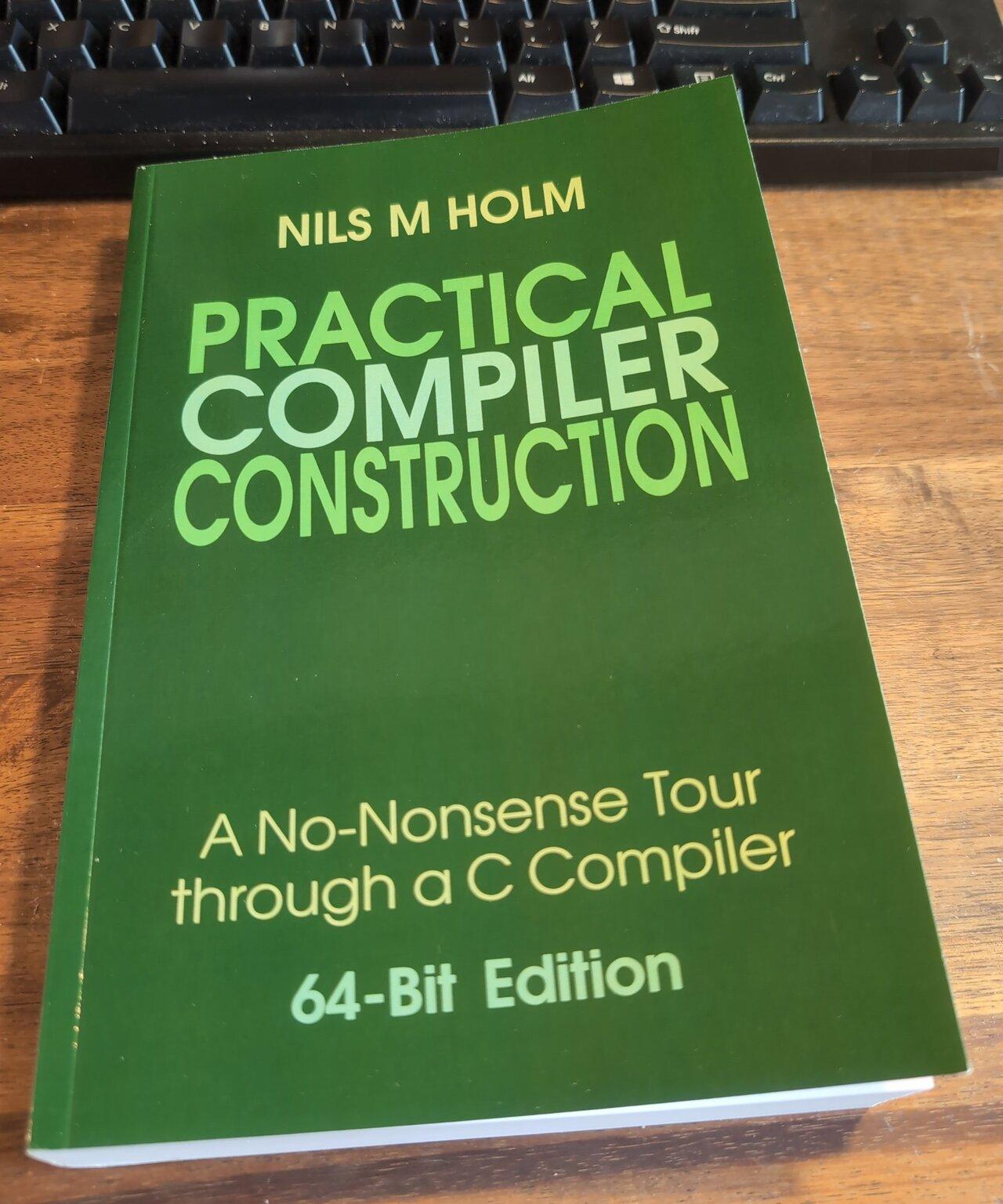
The 64-Bit Edition of Practical Compiler Construction is out now!
http://t3x.org/reload64/
The image shows my proof copy, which arrived in the mail today.
The book contains some minimal compiler construction theory and lots of code. If you always wanted to know how a compiler works internally, this book is for you!
Unlike previous editions, this one targets Linux on the x86_64.
Of course the book is completely AI-free!
#compiler #books #linux #NoAI
Alt...
A copy of the book "Practical Compiler Construction" sitting on a wooden desk. The cover states the author, "Nils M Holm", and then the title in bold, capital letters, each word in a separate line. At the bottom of the page, it says "A No-Nonsense Tour through a C Compiler" and "64-Bit Edition"
![[?]](https://media.exquisite.social/exquisite/accounts/avatars/115/363/213/252/236/023/original/7a8562bd1478cb78.png)
(using alt acct for higher character limit & markdown)
Re article about #OpenEuler #Linux, I got the chance to speak to one of my #China contacts re #ITsovereignty. So here's some anecdata :)
CONTACT
- Department head (but not IT so no expert on this topic), large CN manufacturer w/ CN, US & other int'l customers.
COMPANY PCs
- Mostly #HP desktops & laptops, w/ #MSWindows & #MSOffice.
- Some #Apple Macs.
- Zero use of CN or free-libre OSes like #UOS, OpenEuler, #HarmonyOS for PCs etc.
- Seems #Huawei uncompetitive ATM with HP for their requirements.
- One recent IT sovereignty action: replaced US HR #SaaS supplier with CN one. Felt employee data too sensitive to be in hands of foreign company.
- LLMs: various self-hosted CN models.
- Communications: Feishu (Lark, CN), Weixin (WeChat, CN)
- As far as they know, no company plans or discussion ATM to migrate away from HP, Windows, Mac, MS Office etc.
- Re the future, they feel it depends on:
- - US-CN relationship: better? worse?
- - Speed of CN's own tech development.
- - Price. It's business, so price will always be a key factor.
PHONE
- Huawei w/ Harmony OS.
- Personal choice, not company issue.
Reasons: - #iPhone failed on biz trips to very cold places (N. China in winter, -20°C): would turn on for only 1-2 seconds before turning itself off, or wouldn't turn on at all.
- iPhone's poor/zero signal strength below ground, e.g. shopping centres, parking. Friends/colleagues w/Huawei right next to them with more bars & no connection problems.
- Celebrity iCloud leaks made them consider personal cloud security & #DataSovereignty ('are US companies making money off me & my data, & not even protecting it to boot?')
- Used to be a regular iPhone buyer, then a few years ago won company prize of a mobile phone with choice of iPhone or Huawei. For above reasons, chose Huawei & has stayed with Huawei for subsequent purchases. Still thinks iPhone more beautiful UI & better photos, but happier with Huawei's greater reliability & IT sovereignty.
![[?]](https://snac.bsd.cafe/r1w1s1/s/avatar-f4bb891519b2dd4faaf0697b384c3c6f.png)
There's a difference between simply using an operating system and truly understanding it.
Slackware encourages you to take that extra step.
Its simplicity isn't about hiding complexity behind layers of abstraction. It's about giving you the freedom to explore, understand, and control your system.
That's one of the reasons I've stayed with Slackware for over 20 years.
![[?]](https://mastodon.neilzone.co.uk/system/accounts/avatars/000/000/003/original/1686a2608fa9766e.jpg)
Yesterday, as I sat here, using a laptop running on Free software written and maintained by volunteers, to connect, by means of a secure tunnel formed by Free software written and maintained by volunteers, to multiple servers, all running Free software written and maintained by volunteers, to apply patches prepared urgently by volunteers to resolve security vulnerabilities, I felt *incredibly* grateful for every single one of those volunteers, who makes the fact that I could do *any* of this possible.
Thank you, genuinely.
![[?]](https://files.bitbang.social/accounts/avatars/109/910/304/528/143/796/original/633ba8ef24ba030c.png)
Episódio 179 – Não só Janelas: TOS
https://retropolis.com.br/2026/10/21/episodio-179-nao-so-janelas-tos-2/
#Podcast #AlphasmartDana #Amiga #atari #AtariCorp #AtariSt #AtariSystemV #AtariTt #BASIC #C #Commodore #cygwin #Debian #DESKTOP #elite #Emu #EmuTOS #EricRSmith #Escom #FreeMiNT #Freescale #GCC #GEM #hatari #Java #LinusTorvalds #Linux #LISP #LOGO #lua #MagiC #Minix #MiNT #multitarefa #MultiTOS #NetBSD #Pascal #PeraPutnik #Perl #podcast #POSIX #ProjetoGNU #RainbowTOS #Retrocomputao #ret
![[?]](https://media.infosec.exchange/infosec.exchange/accounts/avatars/111/867/038/214/333/074/original/948015da7238758d.jpg) David Chisnall (*Now with 50% more sarcasm!*) » 🌐
David Chisnall (*Now with 50% more sarcasm!*) » 🌐
@david_chisnall@infosec.exchange
The thing I'd really like to see is the time between the PHP fix being released and the binary packages being available to install across different operating systems and distributions.
EDIT: In the absence of anything more formal, post below when your favourite platform gets the update! Boost for visibility!
![[?]](https://media.mementomori.social/accounts/avatars/109/293/050/593/156/468/original/149d4fe6c4f85509.png)
![[?]](https://cdn.masto.host/mastodongamedevplace/accounts/avatars/000/174/483/original/eb5ff02656851624.png)
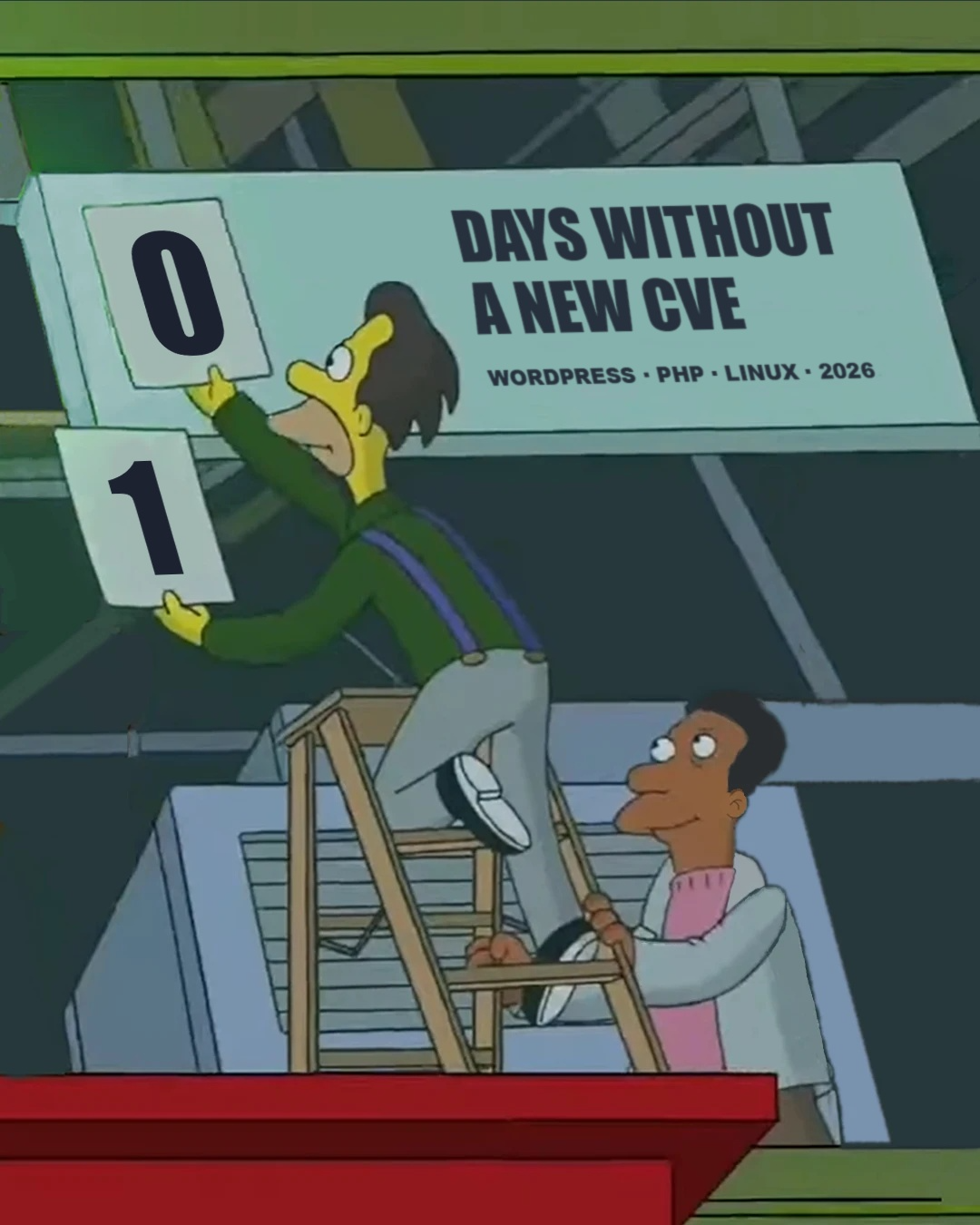
They seem perfectly comfortable together.
https://www.reddit.com/r/freebsd/comments/1x1grw5/comment/pf3qsln/?context=1

Alt...
Image: Beastie, Tux, and the FreeBSD logo icon.
![[?]](https://mastodon.webs3.bark.lgbt/accounts/avatars/109/523/588/893/521/819/original/2ac2f3d73a105b93.png)
![[?]](https://files.ioc.exchange/iocexchange/accounts/avatars/107/084/658/024/451/486/original/f1ee00901961984c.png)
![[?]](https://files.ohai.social/accounts/avatars/114/456/967/863/618/736/original/f647d10235954580.png)
Thanks for the informative article, I'd only read a little about this distro before.
"the openEuler platform is thriving and growing"
Any numbers on usage, growth?
![[?]](https://cdn.hosted.spacebear.ee/sb-53d788bcd8441bb97cfb7a64f2552521/accounts/avatars/109/331/059/732/420/534/original/6ee41c3fffb95318.jpg)

reading about nvme and #linux for #openzfsmastery and seeing lots of references to people booting nvme-only hosts off usb drives.
does linux really have trouble booting off an nvme? Is this actually a thing??? #sysadmin
(ETA: looks like this might be a debian thing? https://unix.stackexchange.com/questions/793960/how-can-i-boot-into-linux-on-an-nvme-drive-when-my-systems-uefi-firmware-doesn )
(ETA again: old Boot ROM issue, not Linux issue, makes sense)
![[?]](https://media.hachyderm.io/accounts/avatars/109/614/972/375/474/333/original/268c99a3cbd01bf5.png)
@glyph regarding the Linux kernel, the broken trust IMO is not really a direct consequence of AI criticism, if anything is a consequence of the project’s tech lead equating complex and immature stochastic code generators with formally verified and battle tested compilers. https://lkml.org/lkml/2026/10/13/3242 #linux #torvalds #ai
![[?]](https://media.hachyderm.io/accounts/avatars/112/675/591/398/918/893/original/3f530b45903d3837.jpg)
#Tech #Mastodon I have a question, does #NetBSD have binary forward compatibility (or whatever that would be called)?
Like, if I build something using a shared libc and generally using dlopen() or other careful methods for external libraries, will that binary typicall continue to work on future releases of NetBSD as-is?
I've heard FreeBSD tends to have that, OpenBSD apparently less so...
Asking since I'm tempted to try #NetBSD due to the general #Linux #ensloppification situation  stop the #slop etc. by putting my money where my mouth is, at least if this turns out to be feasible...
![[?]](https://files.mastodon.social/accounts/avatars/000/033/231/original/06101f6861148350.jpg)
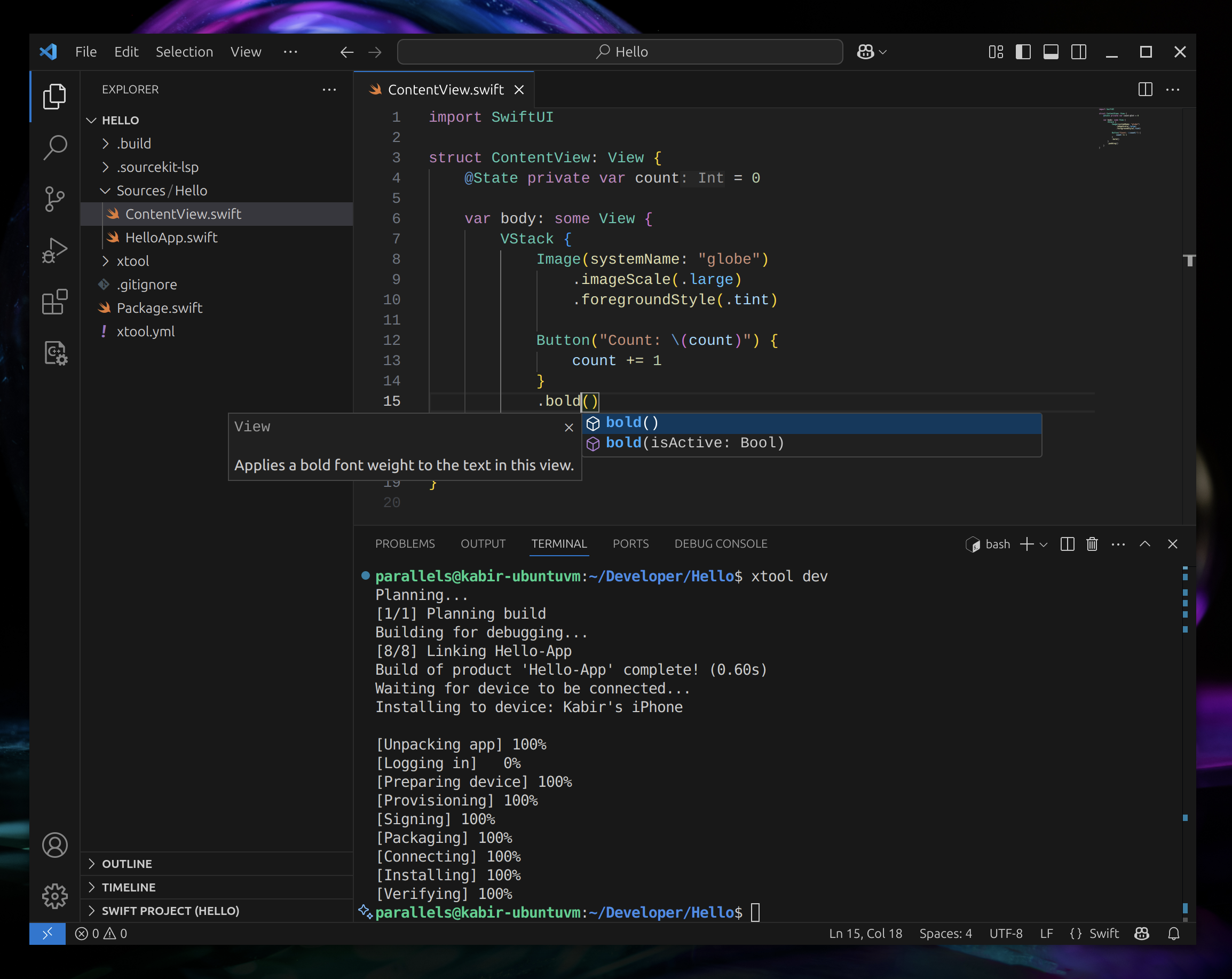
xtool : un remplaçant d'Xcode qui vous permet de builder, signer et installer vos apps iOS depuis Linux, Windows (via WSL) ou macOS, avec SwiftPM.
L'outil s'utilise en ligne de commande, par exemple depuis VSCode. Il donne aussi accès aux Apple Developer Services ⬇️
https://github.com/xtool-org/xtool
#Linux #macOS #iOS #Programming #WebDev
📬 Ma veille dev, chaque vendredi par email → https://l.camilleroux.com/sig-Kcf
Alt...
L'écran montre VS Code avec un projet Swift en cours de développement, affichant le fichier ContentView.swift avec du code SwiftUI. En bas, le terminal terminal affiche la progression de la compilation et du déploiement d'une application iOS sur un appareil via xtool, alternative cross-platform à Xcode.
@drew i wonder, has anybody ever asked #NetBSD to reconsider the "core can approve slop" clause, or to publish some info on whether core has approved #slop so far?
sounds quite cool though! I'm still hoping somebody might fork an older #Linux #kernel - might be hard to keep that going but it would send a sign.
#LLM #NoSlop #ensloppification #AI #NoAI #FreeSoftware #FOSS #FLOSS #OpenSource