Search results for tag #netbsd
![[?]](https://f2.tchncs.de/accounts/avatars/000/014/939/original/8ce984ad7c390bd4.jpg)
![[?]](https://wii.cafe/ltning/s/avatar-1122131a322ac7a58db83a2ce72c763b.png)
(This instance: Wii/PPC; image: Sun Ultra 10/Sparc64 - see alt text)
#NetBSD #Wii #PowerPC #Sparc64 #Sun

Alt...
NetBSD running ctwm and showing three terminal windows: one with bpytop, one with a file listing and one compiling git from source. In the corner another CPU monitor in the form of a (now) naked anime-style lady, drawn by the "hot-babe" program.
![[?]](https://media.bsd.cafe/bsdmmedia01/accounts/avatars/117/229/469/256/862/649/original/1f7e21b86b7a3a7f.jpeg)
![[?]](data:image/png;base64, iVBORw0KGgoAAAANSUhEUgAAAEAAAABAAQAAAACCEkxzAAAAUUlEQVQoz43R0QkAMQwCUDdw/y3dwEvsvzlL4X1IoQkAisKmwfAFT3RgJHbQezpSRoXEqeqCL9BJBf7h3QbOCCxV5EVWMEMwG7K1/WODtlvxAYTtEsDU9F34AAAAAElFTkSuQmCC)
![[?]](https://files.toot.lv/accounts/avatars/110/185/343/991/739/334/original/00945cf71d3cfcdf.jpg)
Finally upgraded my #rock64 to #NetBSD 11.0, but as always I find edge cases. First I tried to upgrade to 10.2, but turns out that for pkgin there are no mirrors. Then I followed the upgrade manual and upgraded to 11.0, but after upgrade I still was on 10.2. The sysupgrade does not cache by version, so fetching data for the new 11.0 it instead used files from previous upgrade.
![[?]](https://media.bsd.cafe/bsdmmedia01/accounts/avatars/116/246/024/926/010/623/original/92439e50b2261140.jpg)
 boosted
![[?]](https://media.nerdculture.de/accounts/avatars/109/274/692/598/892/436/original/768e4668071143b1.png)
Do you split your #netbsd installation into several partions (/, /usr, /home) or do you prefer a monolithic approach? What are your reasons for each approach? Is there any real disadvantage in using the monolithic approach for a single user system (except of the need for a backup before a complete fresh installation) that I might have overlooked? I partitioned my Linux and FreeBSD machines into /, /usr, /home and swap back in the 90s and 2000s, but moved to a monolithic approach later without missing dedicated partitions.
boosted![[?]](https://typo.social/system/accounts/avatars/109/313/698/978/921/520/original/c46f1882e5d23705.png)
So NetBSD gang, i convert my beautiful WIP raster font Tencon to NetBSD format and added instructions to use it, as a NetBSD console font, to Tencon's repo page: https://codeberg.org/drj/font-tencon#netbsd-console-wscons
The instructions are reasonably comprehensive because i've been researching to add similar font-related sections to the NetBSD Guide (if they'll have me).
#NetBSD #bitmapFont #tencon
![[?]](https://polymaths.social/fileserver/01HCMX6M1CZNEVJ4F5H58TT5XJ/attachment/original/01M4GVVZSEWT13KC280GWBJSF8.png)


 🍵
🍵  [
[@The_Universality @lime360 @jaypeach53 @Tutanota
There's compat_linux for running Linux programs on #FreeBSD or #NetBSD (and most derivatives, but not #OpenBSD), but I couldn't get it working for #KerbalSpaceProgram (the native Linux binary, not #proton or #WINE), so I'm not sure if it can be used for games.
We need more #FOSSGaming ;)
![[?]](https://assets.chaos.social/accounts/avatars/108/198/383/090/213/558/original/92bec86704400a34.jpg)
I put #NetBSD 11.0 on a 5 Y.O. laptop, with help. I'm experienced with BSD, back to the floppy-based 386BSD/Dr. Dobbs.
Some things are great, some grate. Notes:
https://jspath55.blogspot.com/2026/10/crash-more-machines-no-fewer-newold.html?m=1
1. Wifi doesn't work natively.
2. Closing the lid doesn't suspend.
3. Battery life is weak, but i think that's their age, not OS suckage.
4. Video is a little choppy sometimes video streams fine.
If you're a n00b from the Windows world, this might be a setback. If you're from the Linux family, less shocking.
![[?]](https://lemmy.ml/pictrs/image/9AY4jZuh4Q.png)
This site is now served by NetBSD
It’s the fashion these days — in November 2026 anyway. I’m kicking the tires on NetBSD 11.
![[?]](https://media.hachyderm.io/accounts/avatars/109/334/849/122/085/613/original/8fa76bd801bc4cf1.jpg)
netbsd, partitioning [SENSITIVE CONTENT]
@indigoparadox oh no, this could be a showstopper https://www.netbsd.org/docs/guide/en/chap-inst.html#chap-inst-install-partition
> NetBSD installs in one of the four primary BIOS partitions (the partitions defined in the hard disk partition table).
Is it impossible to install #NetBSD to a logical partition? The first three MBR partitions are taken up by the original Windows install so I have the fourth set to an extended partition and all my stuff in logical partitions under that.
![[?]](https://files.bitbang.social/accounts/avatars/109/910/304/528/143/796/original/633ba8ef24ba030c.png)
Episódio 179 – Não só Janelas: TOS
https://retropolis.com.br/2026/10/21/episodio-179-nao-so-janelas-tos-2/
#Podcast #AlphasmartDana #Amiga #atari #AtariCorp #AtariSt #AtariSystemV #AtariTt #BASIC #C #Commodore #cygwin #Debian #DESKTOP #elite #Emu #EmuTOS #EricRSmith #Escom #FreeMiNT #Freescale #GCC #GEM #hatari #Java #LinusTorvalds #Linux #LISP #LOGO #lua #MagiC #Minix #MiNT #multitarefa #MultiTOS #NetBSD #Pascal #PeraPutnik #Perl #podcast #POSIX #ProjetoGNU #RainbowTOS #Retrocomputao #ret
![[?]](https://files.mastodon.social/accounts/avatars/116/597/963/438/995/347/original/654fd55d57f06ff3.jpg)
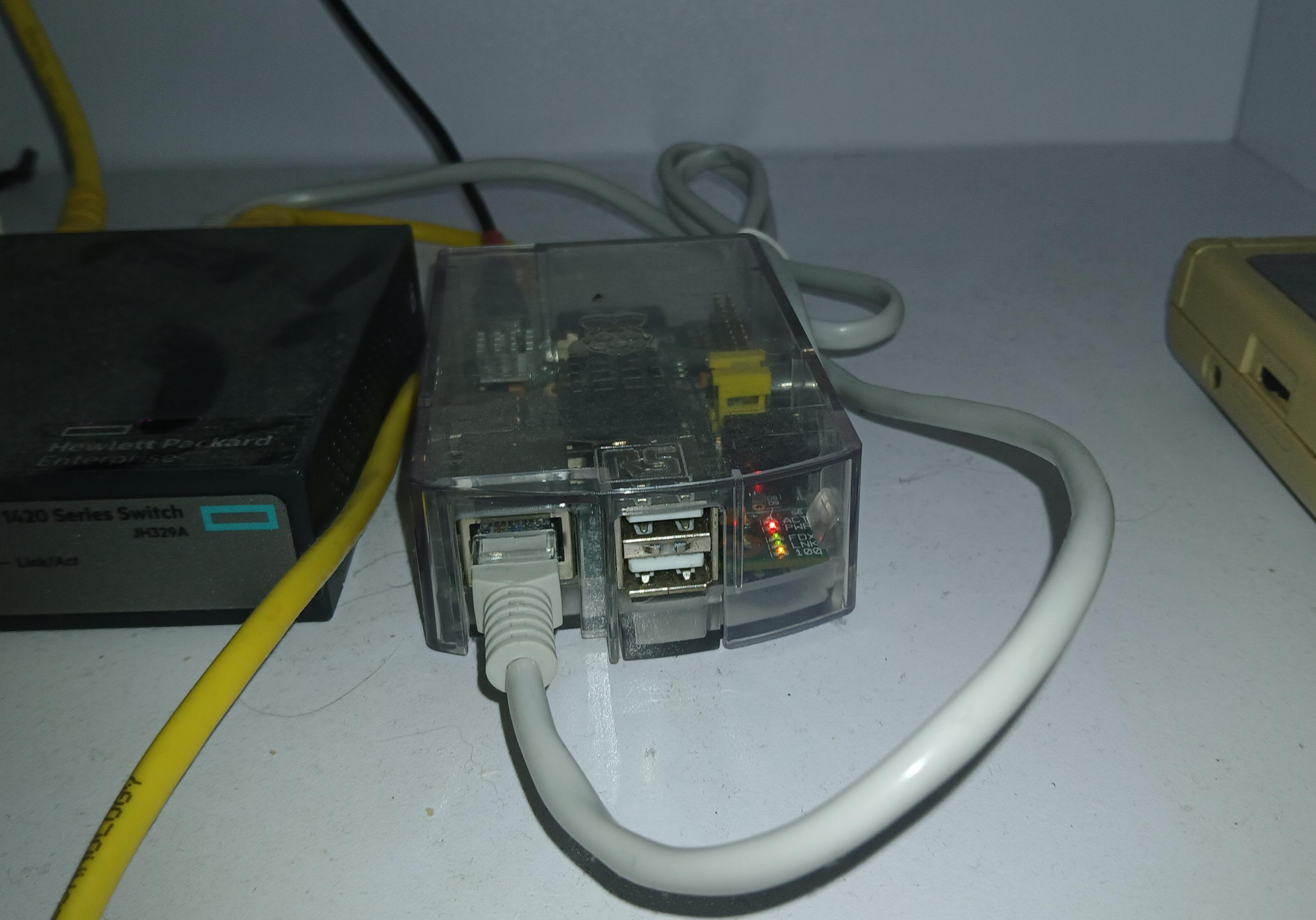
I'm thinking about using BSD again, but not on a PC, I'm happy with my highly tweaked Debian+KDE despite the discrepancies in AI policies. I have several #SBC, and all running Linux; because of the #eMudhra incident, I have to do a lot of patches so why not. The worst part is all the Dockers. E. g. my HA server is made up of 10, each with its own CA certs. If that’s annoying on a personal level, imagine on a global scale. I think my first RPi (still in use) is a good place to start with #NetBSD
![[?]](https://files.mastodon.social/accounts/avatars/000/026/797/original/11785077d808d7c3.jpg)
One of the excellent consequences of deliberately building and maintaining a system that prioritizes conceptual and concrete simplicity is that you can make true, verifiable, useful statements without paragraphs of disclaimers and qualifiers.
E.g. here are the complete instructions for mitigating the eMudhra SSL/TLS debacle under #NetBSD 10 & 11: https://blog.netbsd.org/tnf/entry/emudhra_tls_ssl_ca_compromise
![[?]](https://cdn.masto.host/rubysocial/accounts/avatars/000/093/360/original/920f5a8782200f9b.jpg) boosted
boosted![[?]](https://nb-fedi.de/fileserver/01FYQ1QFB0N3T9D2MM45C1C933/attachment/original/01JTQH3PZVKJAM4PPVR2CNMQNK.jpeg)
Wow. The updates to the #php packages in #pkgsrc were updated to 8.5.12, 8.4.27 and 8.3.36, respectively, by 1358Z. Building and in-place update went smoothly. My #nextcloud is patched and back in operation.
I'm impressed. Thank you!
#NetBSD #homeserver #selfhosting.
![[?]](https://cdn.masto.host/kindsocial/accounts/avatars/110/671/199/756/664/588/original/7b4c99a88b22fb58.png)

Also, NetBSD should have a furry mascot. Linux has Xenia, a canonically transfem foxgirl. The KDE project has its whole entire species of KDE dragons. Firefox has Kit. NetBSD should have one too. :)
![[?]](https://drive.nya.social/files12/webpublic-a2647278-0bb5-442b-9b98-743a825b8510.png)
and i think it would be neat to use my big endian raspberrypi with #NetBSD for this
![[?]](https://files.mastodonapp.uk/accounts/avatars/109/508/813/126/393/770/original/98a69cbbce7ad298.png) boosted
boosted![[?]](https://todon.eu/system/accounts/avatars/108/195/195/683/530/949/original/8174cd7215c979ba.png)
MyGNUHealth Personal Health Record running on NetBSD 11 😎 .🩺 ❤️
#GNUHealth #OpenScience #MyGNUHealth #NetBSD #health #Kivy

Alt...
Login greeter for the MyGNUHealth Personal Health Record on an XFCE session. Artwork of a young woman sitting crosslegged in a yoga pose. Circling around her some pictograms about nutritions, cardio, genetics, well-being and health care.
boosted![[?]](https://media.bsd.cafe/bsdmmedia01/accounts/avatars/113/698/673/569/488/272/original/1fc827cf6cff37d6.png)
Qubit waits, but there's no cycling on the tele, and consequently no me to sleep on.
She doesn't know I am playing with Go tui on #netbsd. If she did, she would walk on the keyboard.
Alt...
Ceci n'est pas une chat
![[?]](https://files.mastodon.social/accounts/avatars/111/838/915/768/386/587/original/8da101fecc96eeb3.png)
Now that Linux has boarded the slop train and its leader has announced full stream ahead, the least I can do is to add support for NetBSD to the compiler discussed in my upcoming book.
http://t3x.org/reload64/
http://t3x.org/subc/subc-2026.zip
The book will still discuss the Linux version, but 99% of the code is identical on NetBSD, and the compiler should run and self-compile on all x86_64 NetBSD systems.
#NetBSD #NoAI #NoSlop #compilers #books
![[?]](https://files.mastodon.social/accounts/avatars/117/262/394/958/092/588/original/54349a36964f320a.png)
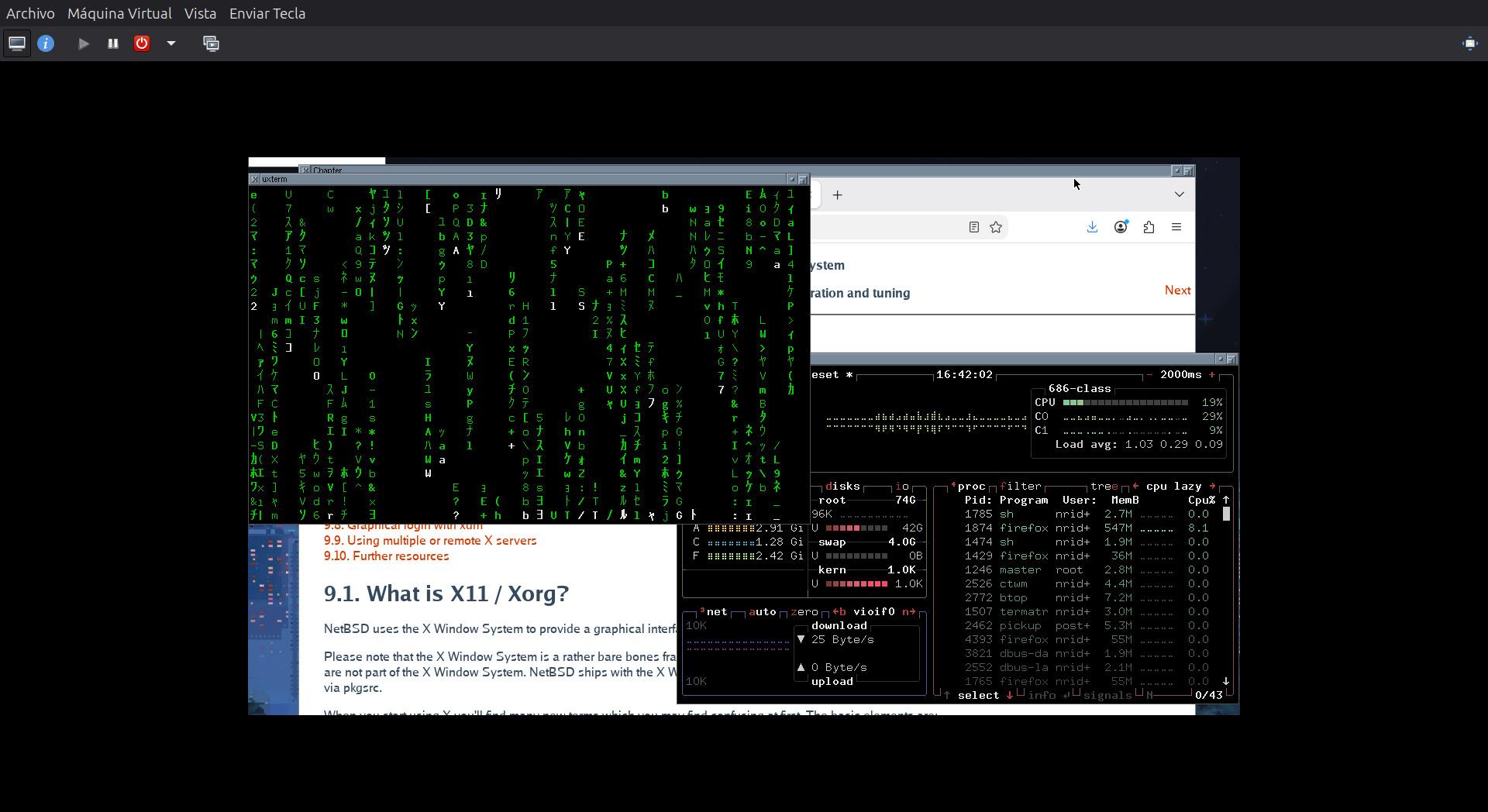
Oh my phoenician gods, firefox en #netbsd no consume memoria. La máquina virtual que he montado tiene 4Gb de Ram, y 2 procesadores, para ser lo más parecido a un #t400, que es el hierro donde voy a hacer la instalación de verdad.
Alt...
manejador de ventanas ctwm en netbsd con dos terminales, una con termmatrix y la otra con btop mostrando un uso mínimo de memoria ram, por debajo firefox.
![[?]](https://kamloops.social/system/accounts/avatars/116/709/082/696/410/635/original/247f7c942115c10b.jpeg)
 [
[Here goes...

Alt...
Installation screen for NetBSD:
NetBSD/amd64 11.0
This menu-driven tool is designed to help you install NetBSD to a hard disk,
or upgrade an existing NetBSD system, with a minimum of work.
In the following menus type the reference letter (a, b, c, ...) to select an
item, or type CTRL+N/CTRL+P to select the next previous item.
The arrow keys and Page-up/Page-down may also work.
Activate the current selection from the menu by typing the enter key.
fa: Installation messages in English
b: Installation auf Deutsch
c: Mensajes de instalacion en castellano
a: Messages d” installation en francais
e: Komunikaty instalacyjne uw jezyku polskim
or £3 Right Ctrl
No me acordaba de lo bueno que era tener un sistema operativo sin las tontás de sysmtend, colorinchis estúpidos y esquinas redondeadas.
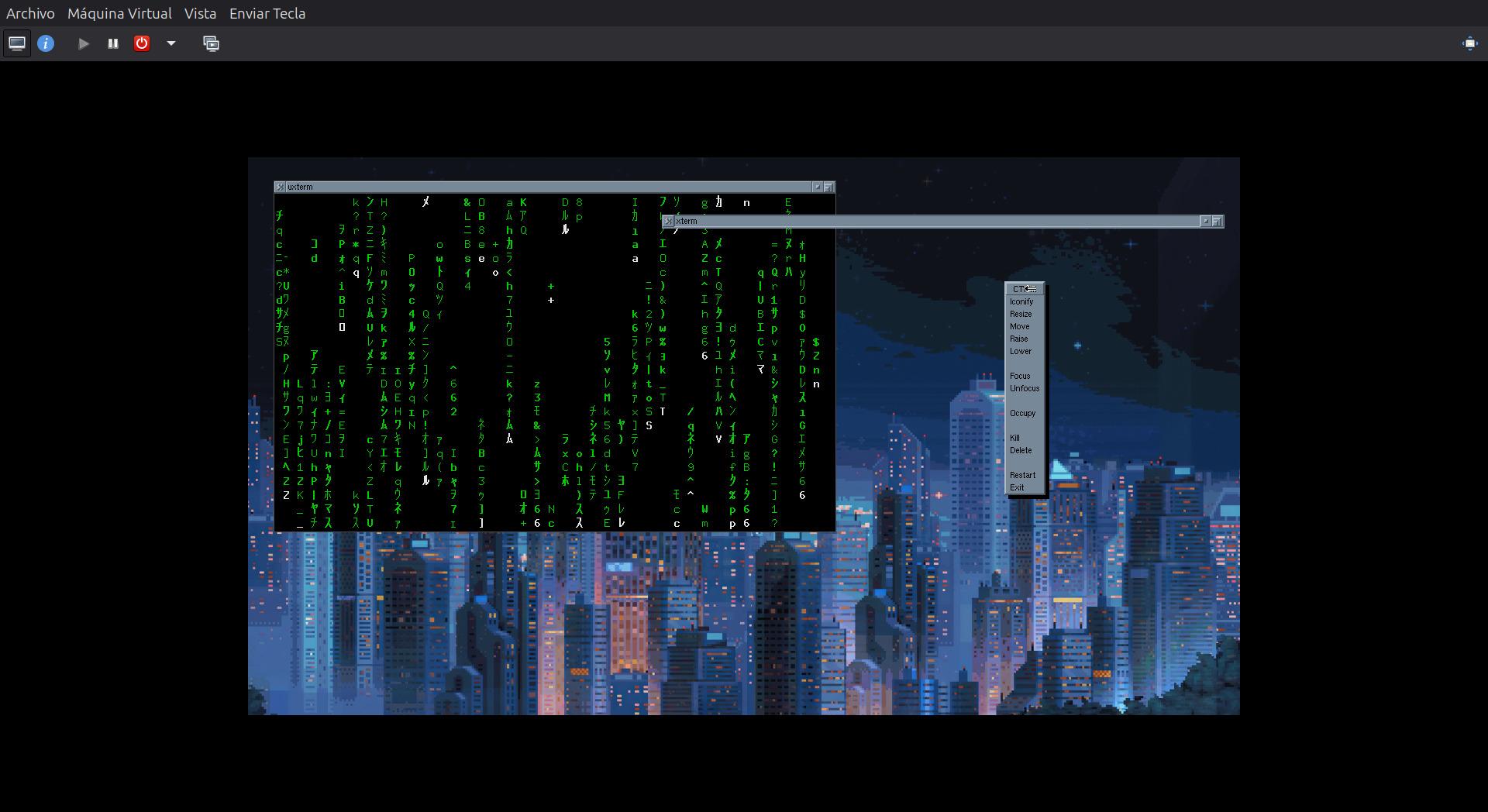
Mi máquina virtual #netbsd progresa adecuadamente. Estoy deseando que llegue el #t400.
Alt...
Un manejador de ventanas, ctwm, en netbsd. Una terminal con la tontá de termatrix, un fondo de escritorio 8bits, una ciudad con rascacielos por la noche.
![[?]](https://cdn.yiff.life/accounts/avatars/109/440/163/990/391/713/original/7cddf7992e595b0b.png)
Well, back on Linux. Unfortunately.
I'm not even gonna 'at least its...' because I FUCKING detest how much I don't want to use something enshittified by GenAI.
So what can I do?
Help #netbsd.
I DO legit enjoy #netbsd but it's not quite ready for my use.
But it could be if I helped somehow!
but I don't know how to help work on the amdgpu driver....yet? I might be too ambitious here!
![[?]](https://reclusive.blog/fileserver/01PDYCJS9C0QDH83Q12HSP35E5/attachment/original/01KQ11QX27P2TWZ0KJH0GWD40K.webp)
 boosted
![[?]](https://files.mastodon.social/accounts/avatars/000/311/466/original/beef2218665d0c12.jpg)
First hurdle switching to #NetBSD from Linux: device files don't appear/disappear in /dev when I plug in a USB drive; I have to check dmesg and then use 'disklabel' to figure out what label to use for mounting. TIL.
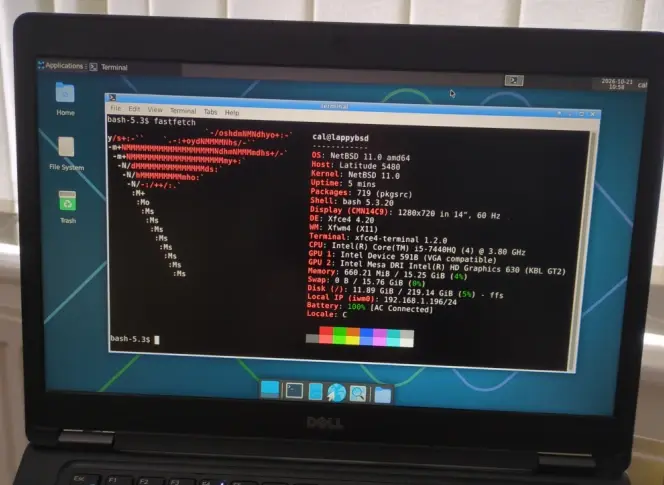
Here's a write-up of my successful NetBSD installation on my old laptop, including the problems I encountered along the way, how I solved them, and how I set up the system to be something I might actually use daily.
 boosted
![[?]](https://cdn.gnous.eu/gnoustoot/accounts/avatars/114/986/704/061/767/595/original/36c213192efc5d0e.png)
#NetBSD-crew... I need some help (mention-only). Idk why, but my netbsd installer can't go forward after "boot devices: <unknown> \n root devices: <type something>".
Unfortunately, i can't enter anything.
![[?]](https://mastodon.zergy.net/system/accounts/avatars/000/000/130/original/93cfc04b55d2457c.png)

Oh? NetBSD doesn't have an /etc/os-release file? Is that normal? :dragn_confuse:
Too bad as I use it in some personnal scripts to check the OS and it version. 
Well, just quickly made a little script to generate one at boot time. 
...well, that was fucking easy, it just worked.
I think I'm gonna go through the installer again though, it sure could stand its rough edges sanding off a bit. For one, it's not entirely clear that what you end up with by default is a very basic system without a GUI, package management, or even networking.
I can see why advanced users would desire such a minimal installation, but as a default that it isn't clear you can override, it's probably the wrong call.
Today will be attempt 2 at getting #NetBSD to run on my laptop.
The most likely problem was that I did something wrong while writing the installer image to USB, because the questions I was asked during first boot on the laptop were completely absent when I installed it on a virtual machine.
I'm using a script called EasyDD to hopefully eliminate that error today. :)
boosted![[?]](https://media.bsd.cafe/bsdmmedia01/accounts/avatars/116/471/183/944/748/373/original/15cea23f36b87106.jpg)
Someone over on #XMPP told me: why don't you just use #NetBSD but hardened? Well, it's 2026 by now and NetBSD have promised nothing about bringing pledge and unveil, and I would assume it's not trivial to patch Firefox with them. If I had all the free time in the world, then surely I could try, but as it stands I'm still making baby steps away from being just a FOSS freeloader...
![[?]](https://kolektiva.social/system/accounts/avatars/112/026/789/285/445/978/original/7971b6d24b208708.jpg)
@sinza have no experience with #netbsd or #haikuos but wouldn’t something akin to #tailscale work? i know there are open source alternatives too.
![[?]](https://assets.oldbytes.space/assets.oldbytes.space/accounts/avatars/117/269/529/528/928/810/original/4bbe6219d0c145fb.png)


 [
[Is there any way on #HaikuOS to use a VPN that isn't based on OpenVPN or is random nonsense that someone paid Anthropic to throw up and then put on GitHub.
I'd like to make a personal VPN more so that my modern computers can connect to each other wherever I go. Setting up an OpenVPN server sounds like a major pain in the ass (as the documentation is really lacking for reasons I suspect are greed-related), but it's the only option I've been able to find.
I'd be very willing to use WireGuard or IKEv2, as there does seem to be good documentation on how to set up servers. Unfortunately, the only WireGuard client for Haiku appears to be vibecoded.
It will run BSD. #OpenBSD if I can use my preferred protocols, #NetBSD if I truly am forced into OpenVPN.
![[?]](https://cdn.tenforward.social/accounts/avatars/111/939/251/612/827/074/original/9444ee40601a9423.png)
Any X11 on NetBSD wizards out there willing to help me troubleshoot something? Running X with `startx` is perfectly fine, but when I try to start X from a display manager (xdm), tab/arrow keys/etc don't work in my terminal and $PS1 is only \$. xdm.log says that xkbcomp reports "Error: Couldn't lookup keysym" which doesnt happen with startx, but I'm not really sure where to go from here. #NetBSD #x11
boostedso if you are using something like a compactflash disk as your 486's disk, you can try installing to that from qemu on a more powerful machine, dropping the LEGACY kernel onto the root partition as /netbsd (after copying the old one to /onetbsd), and then putting that in your old machine.
this is actually the path i usually take - the install runs very slowly on a real 486 anyway, and won't complete if you have less than 32MiB of RAM.
boosted![[?]](https://mastodon.clitheroe.ca/system/accounts/avatars/114/441/807/466/803/214/original/94ade8d5ba444135.jpg)
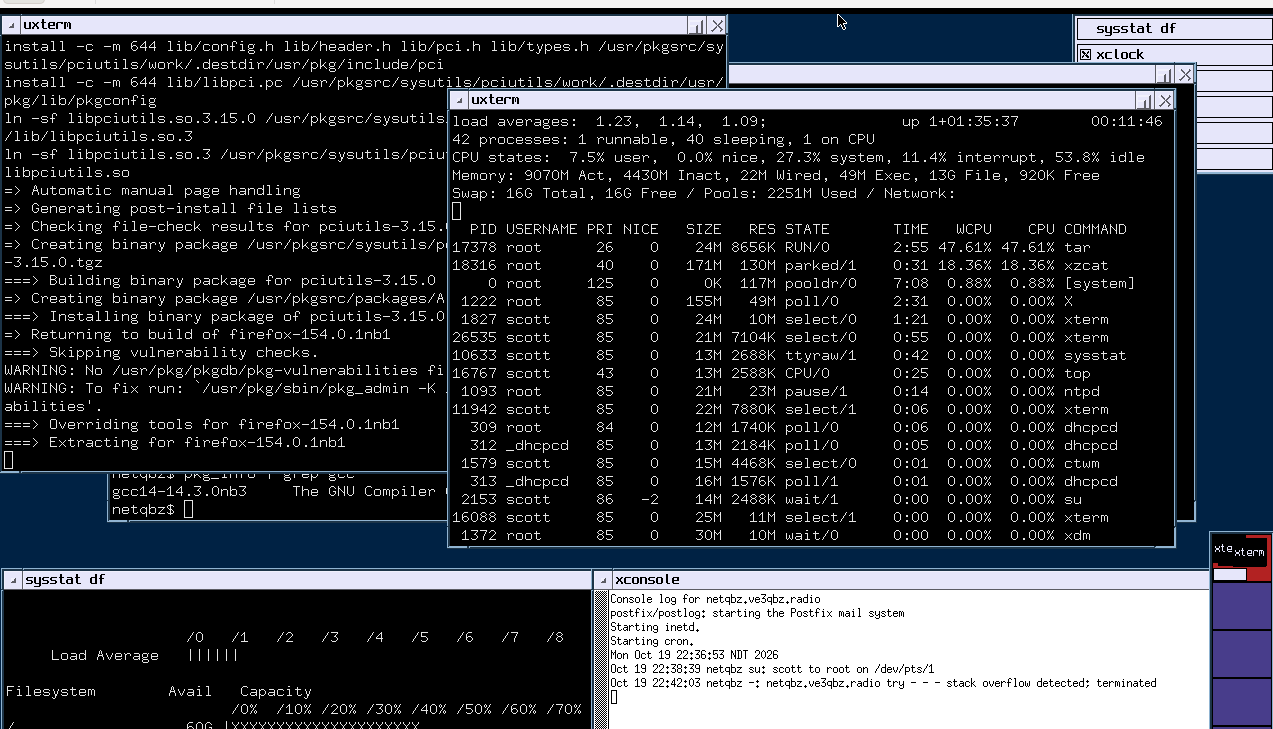
24 hours later, the little #netbsd learning/experimentation VM has finished building all the tools and libraries needed, and is finally starting on firefox
Alt...
A screenshot of NetBSD running CTWM. Multiple xterms show firefox starting to build, top, and systat, keeping tabs on things.
i can help!
the long and short of it is that you need a boot image built with the LEGACY kernel instead of the GENERIC config. which i can point you to on demand
i can help!
the long and short of it is that you need a boot image built with the LEGACY kernel instead of the GENERIC config. which i can point you to on demand
![[?]](https://media.infosec.exchange/infosec.exchange/accounts/avatars/113/313/007/709/729/664/original/a4899bb93f82c961.jpg)
#WolfNippleChips is the name of the new #openbsd rewrite in #rust, with strict #noslop policy. We’re posting here every day until someone writes it for us!
Don’t confuse us with the unnamable #netbsd rewrite in #zig, <spit>, splitters. Bourgeois scum, how many real working class doomscrollers have non-x86 hardware anyways!
![[?]](https://bo.soc.egois.org/media/01a146ec-d256-7326-a0bc-7860b121c2bd/image.png)